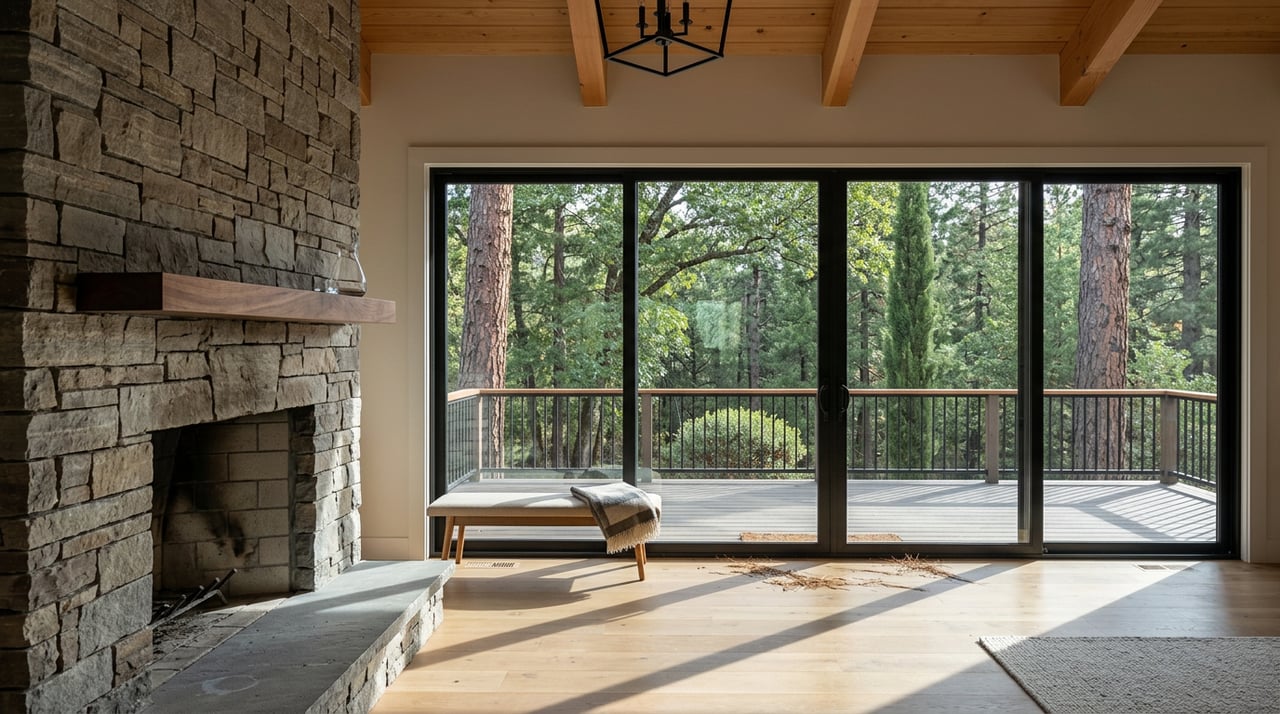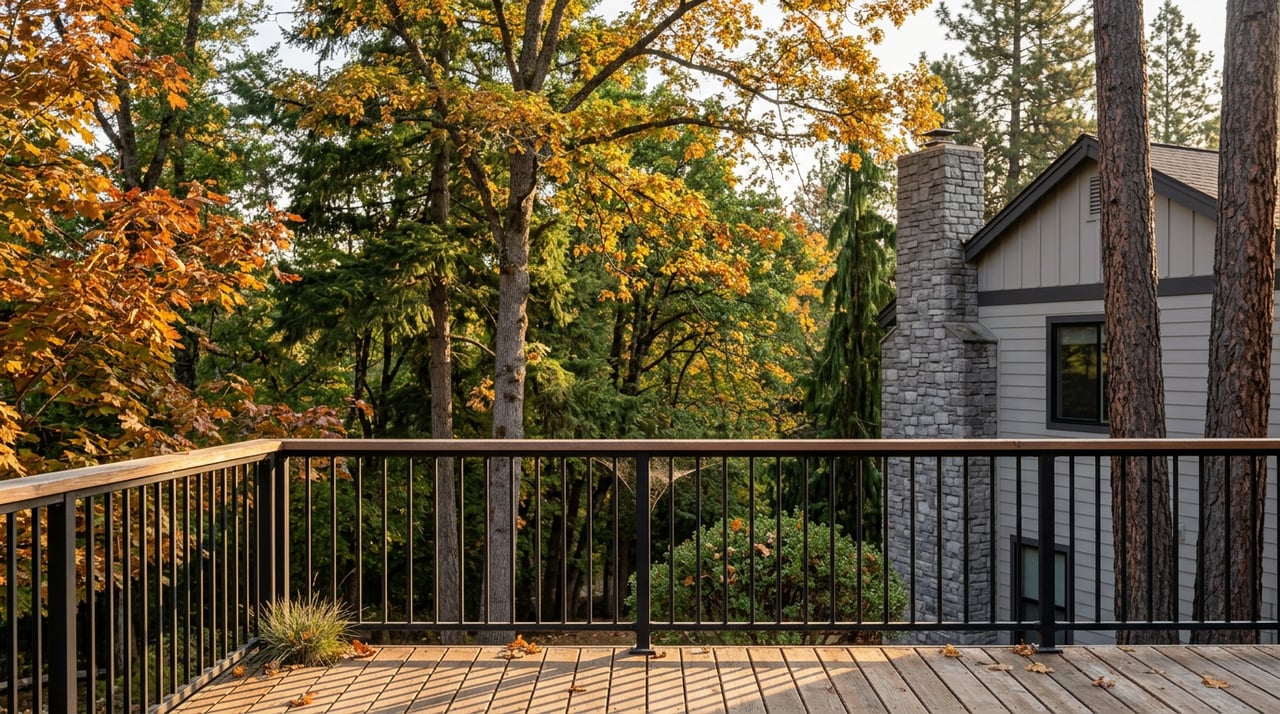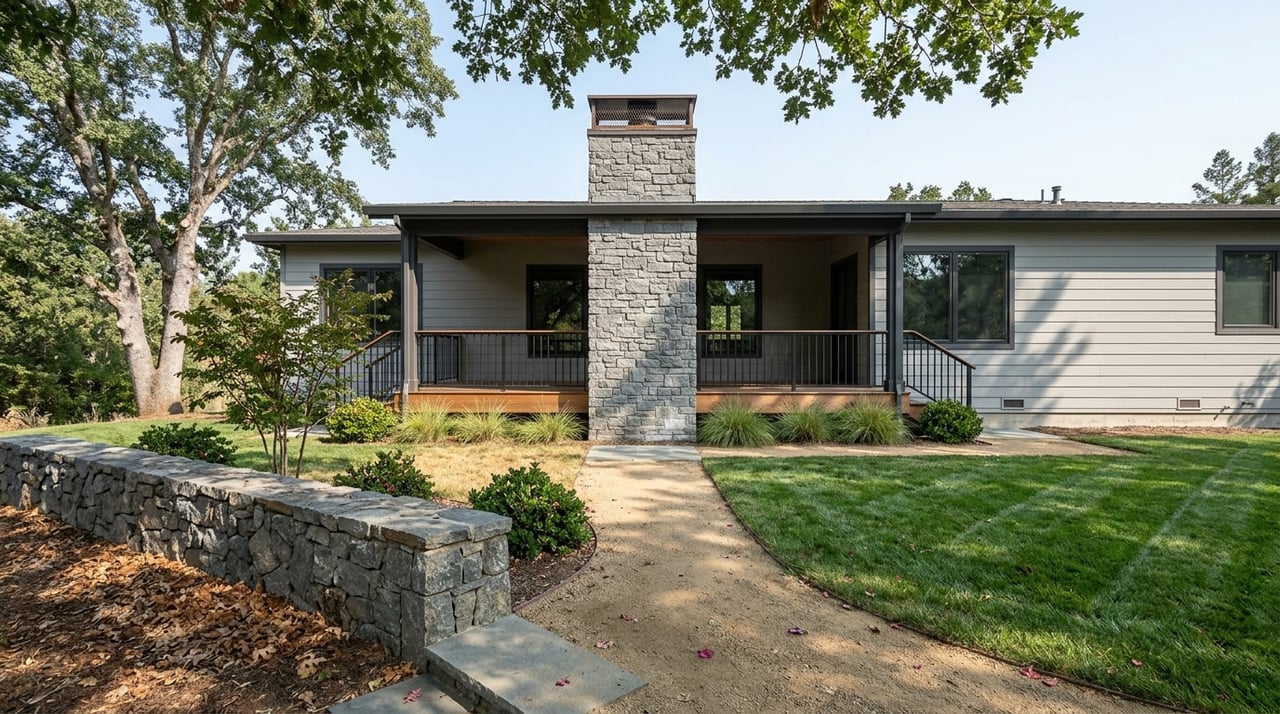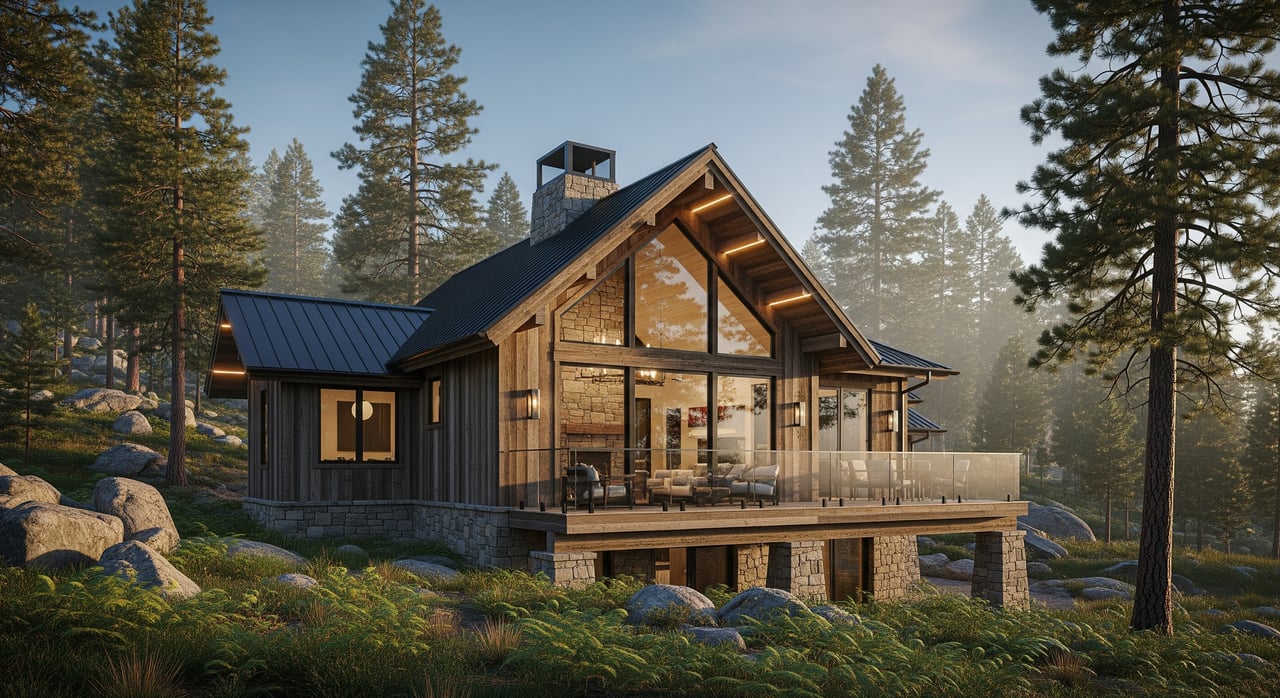
Not sure if an A-frame, chalet, or modern cabin is the right fit for your Camp Connell getaway? You are not alone. In the Sierra Nevada foothills, style affects winter performance, rental appeal, and day-to-day upkeep in real ways. In this guide, you will compare the leading cabin styles you will find around Camp Connell and learn how each handles snow, wildfire risk, and weekend or rental use. Let’s dive in.
Camp Connell’s climate and why style matters
Camp Connell sits in a mid-elevation mountain zone with regular winter cold and periodic snowfall. Weather swings can bring heavy storms followed by rapid warm-ups, so freeze-thaw cycles and snow loads are part of life. That reality touches everything from roof design to driveway access.
Seasonal access can tighten during winter storms, so pay attention to driveway grade, parking, and plowing plans. Local hazards include snow and ice accumulation, elevated wildfire risk in Calaveras County, and localized flood or landslide exposure on sloped lots. Building permits run through the Calaveras County Building Department, and the California Building Code adopts structural standards for snow and seismic design. Short-term rental rules and defensible-space requirements also apply locally and should be verified before you operate a rental.
A-frame cabins: iconic and compact
Snow and structure
A-frames use steep roof pitches that shed snow efficiently. That steep profile reduces roof snow buildup, but it can create large snow slides off the eaves. Plan for snow guards, protected entries, and safe pathways so slides do not block doors or bury decks.
Layout and rental fit
The signature loft makes for a cozy vibe and great social space. The tradeoff is privacy and headroom. With a narrower footprint, you may get fewer enclosed bedrooms and bathrooms, which can cap occupancy for rentals.
Maintenance watch-outs
You will want solid insulation and air sealing so heat does not rush up into the open volume. Metal roofs are common and durable, but they increase slide potential at the eaves. Keep an eye on attic or roof ventilation to reduce ice dams around the edges.
Best for: Couples and small groups who want the “classic cabin” feel and do not need many closed bedrooms.
Chalet cabins: spacious and view-friendly
Snow and structure
Chalets also rely on steep gables and overhanging roofs, a time-tested approach for snow country. The larger footprint spreads out the living areas but can increase total load, so engineered framing and snow braking at eaves are important.
Layout and rental fit
Chalets often provide generous living rooms, picture windows, and multilevel sleeping areas. Configured with true bedrooms and more than one bathroom, they suit groups well and usually perform strongly as winter rentals.
Maintenance watch-outs
Big windows deserve attention for condensation and energy efficiency. Extended eaves protect siding but can invite ice-dam issues without good insulation, ventilation, and gutter management.
Best for: Families or groups who value space, views, and a higher sleeping count.
Modern rustic: comfort and strong ROI potential
Snow and structure
Modern rustic designs mix clean lines with natural materials and high-performance systems. Roof forms vary, so low-slope or flat sections need engineered snow retention and drainage. Many modern plans still use steep primary roofs over living areas and sheltered entries to keep snow management simple.
Layout and rental fit
Floor plans can be dialed for function: separate bedroom suites, flexible sleeping areas, generous kitchens, and multiple bathrooms. Storage for skis, boots, and gear is easier to incorporate from the start, which boosts guest comfort.
Maintenance watch-outs
Durable exterior materials like metal roofing, composite decking, and fiber-cement siding help control maintenance and improve ember resistance for wildfire. Inside, integrated mechanicals and higher-performance windows improve comfort in both winter and summer.
Best for: Buyers who want easy ownership, modern comfort, and broad rental appeal.
Log and craftsman cottages: classic mountain character
These styles lean into wood exteriors and exposed beams. They deliver an authentic alpine feel and can rent well to guests who love rustic charm. The tradeoff is vigilant moisture management, routine staining or sealing, and pest control. Roof pitch varies by design, so confirm snow performance and look for signs of ice dams or leaks around eaves and chimneys.
Snow, roofs, and systems that matter
- Roof form: Steep roofs shed snow well, while moderate or low slopes require snow retention, stronger framing, and reliable drainage.
- Roofing: Metal lasts and sheds easily, but it needs snow guards and protected entries. Asphalt shingles are common; without good insulation and ventilation, they are more prone to ice dams.
- Ventilation and insulation: Keep the roof deck cold and ceilings air-sealed to reduce ice dams. Pay attention to penetrations like chimneys, recessed lights, and plumbing stacks.
- Foundations and frost: Design must account for frost depth and potential freeze-thaw movement, especially at higher elevations.
- Utilities and pipes: Insulate and heat-trace vulnerable lines and keep plumbing runs within conditioned space when possible.
Decks, hot tubs, and outdoor utility
- Orientation: South-facing decks melt earlier in winter; north-facing decks hold snow longer.
- Covered vs. open: Covered decks extend seasonal usability and protect doors and siding. Open decks are simpler but require more winter clearing.
- Loads and safety: Deck design should include snow load and live load. Railings and stairs must meet code, and non-slip surfaces or heated stairs improve safety.
- Hot tubs: Strong rental draw, but design for concentrated loads, sized electrical service, and cold-season maintenance.
Wildfire resilience and insurance
Calaveras County faces elevated wildfire exposure. Defensible space, a noncombustible zone around the structure, and reduced fuels beyond that zone improve survivability and affect insurability and permitting. Exterior upgrades such as Class A roofing, ember-resistant vents, and noncombustible siding or trim are often required or incentivized.
Insurance markets can be tighter and premiums higher in higher-hazard areas. Some owners rely on last-resort coverage if standard carriers are unavailable. Expect insurers and lenders to request proof of defensible space and, in some cases, mitigation steps before underwriting or approving rentals.
For short-term rentals, set clear guest instructions for wildfire safety, evacuation routes, and local emergency contacts, and keep vegetation management records up to date.
Rental performance: what moves the needle
- Layout: Multiple enclosed bedrooms and more bathrooms increase occupancy and broaden your guest pool. Lofts delight couples and small groups but reduce privacy.
- Systems: Reliable heating, programmable thermostats, and remote monitoring help you pre-heat and protect pipes during cold snaps.
- Amenities: A functional kitchen, washer/dryer, comfortable bedding, and a well-managed hot tub tend to drive better reviews and nightly rates.
- Access and parking: Level parking and easy entry help winter guests and cleaners. Steep driveways or long walk-ups deter bookings in storm cycles.
- Year-round comfort: Strong insulation, right-sized heating, and summer cooling options help you capture both ski and hiking seasons.
Quick comparison: style vs. use case
| Style | Best for | Watch-outs | Winter notes |
|---|---|---|---|
| A-frame | Couples, small groups, iconic vibe | Limited privacy and bath count | Steep shed roof needs snow guards and protected entries |
| Chalet | Groups, views, higher capacity | More glazing and bigger footprint to maintain | Engineered framing and eave ice-dam management |
| Modern rustic | Broad renter appeal, easy ownership | Flat/low-slope sections need design attention | Durable exteriors, efficient systems, sheltered entries |
| Log/craftsman | Rustic character seekers | Ongoing wood preservation and pest control | Check roof pitch, moisture, and ice-dam history |
Buyer tour checklist for Camp Connell cabins
- Roof and structure: Roof age and material, presence of snow guards, gutters, and drip edges; look for stains, ice-dam scars, or sagging. Confirm attic insulation and ventilation.
- Heat and power: System type and fuel, programmable or remote thermostats, electrical service size, and presence of a generator or transfer switch.
- Water and waste: Well yield and water quality, septic capacity and permit records, and location of exposed or vulnerable plumbing runs.
- Access: Driveway slope, turnaround space, plowing arrangements, and reliable year-round access.
- Safety and compliance: Defensible space status, ember-resistant features, and short-term rental permits or HOA rules if applicable.
- Guest readiness: Count of enclosed bedrooms and baths, gear storage or mudroom, and internet or cell service options.
How we help you choose the right fit
Choosing between an A-frame, a chalet, or a modern rustic cabin in Camp Connell comes down to how you plan to use the home. We pair local insight with practical guidance on snow performance, wildfire resilience, and rental operations. With decades in Calaveras County, deep title and escrow knowledge, and integrated vacation-rental and property management pathways through Cedar Creek, we help you buy confidently and set up for success after closing.
If you want a second home for weekend escape, a rental performer, or both, let’s start a plan that fits your goals. Connect with Kip Machado & Team.
FAQs
Which Camp Connell cabin style is easiest to maintain for part-time owners?
- Modern rustic designs with durable materials like metal roofing, composite decking, and fiber-cement siding tend to reduce ongoing maintenance.
What cabin style typically rents best in winter near Camp Connell?
- Chalets and modern cabins with multiple bedrooms, strong heating, and easy parking often achieve the most reliable winter occupancy.
Do older Camp Connell cabins need structural upgrades for snow?
- Possibly; design snow loads vary by site, so have a licensed professional review roof and deck framing if records are unavailable.
How important is defensible space for wildfire in Calaveras County?
- Critical; defensible space and ember-resistant features affect safety, permitting, and insurance availability in higher-hazard areas.
What should second-home owners prepare for during winter storms?
- Plan for power outages, deep snow blocking access, and frozen pipes; remote monitoring, a standby generator, and clear winterization steps help mitigate risk.