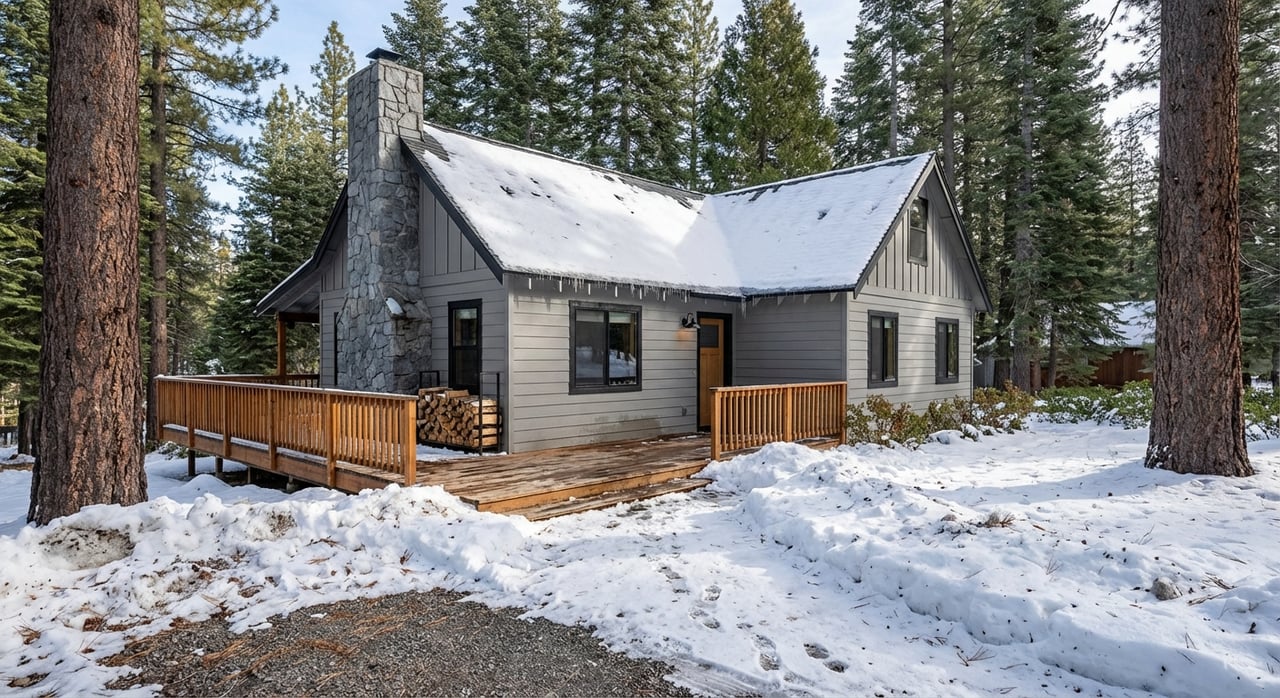
Dreaming of a cozy place where the kids can sled out front and you can watch the storms roll in with a mug of cocoa? A cabin near Tamarack in El Dorado County puts you close to reliable snow, simple resort access, and classic Sierra cabin charm. If you are weighing family fun alongside smart ownership and possible rental income, there are a few local details you will want to know first. This guide gives you a clear picture of location, snow play, property types, permits, and a step-by-step checklist so you can buy with confidence. Let’s dive in.
Tamarack basics: where and why it works
When locals say “Tamarack” here, they usually mean the small cluster of roads like Tamarack Pines Road and Tamarack Avenue near Twin Bridges and Echo Lake along US 50. You will also see nearby features like Tamarack Creek on area maps, which helps confirm you are in the right pocket near Sierra-at-Tahoe. For a quick geo cue, check the reference to Tamarack Creek in the Echo Lake area on Topozone’s map of the stream corridor in El Dorado County.
Elevation is a big reason families love this area. Echo Lake sits around 7,500 feet, while Twin Bridges locations tend to be lower, roughly 6,000 to 6,900 feet, which affects how early snow sticks and how long it lasts. Higher spots closer to Echo Lake typically hold deeper snow for longer stretches. You can see common Echo Lake elevation notes on this maplogs elevation reference.
Getting there: timing and road checks
From many Bay Area cities, you can usually plan on about 2.5 to 3.5 hours to the Sierra-at-Tahoe corridor in good conditions. Reno is often around 1.5 hours. Winter storms and chain controls can add meaningful time, so it pays to build in a buffer when you have kids, gear, and nap schedules to juggle. For day-of travel, use Sierra-at-Tahoe’s page with driving guidance and road camera reminders to check road conditions and chain control basics.
Family snow play: resort parks vs public sledding
You will find two main snow-play setups nearby. First is the resort-run experience with paid access, staff, and managed areas for lessons and tubing. Sierra-at-Tahoe often draws families for its straightforward logistics and proximity to US 50, and you can track storm totals and operations using the resort’s weather and snow report. Second is informal public sledding at meadows or designated Sno-Parks, which can be free but come with parking limits, private-property boundaries, and variable conditions.
Families who split their time across the Central Sierra sometimes add Bear Valley to the mix. It offers a traditional mountain resort vibe plus cross-country and other winter recreation. Depending on route and weather, it can be a reasonable day trip or overnight complement to your US 50 base. Explore resort programs and planning tools on Bear Valley’s official site.
What cabins and lots look like here
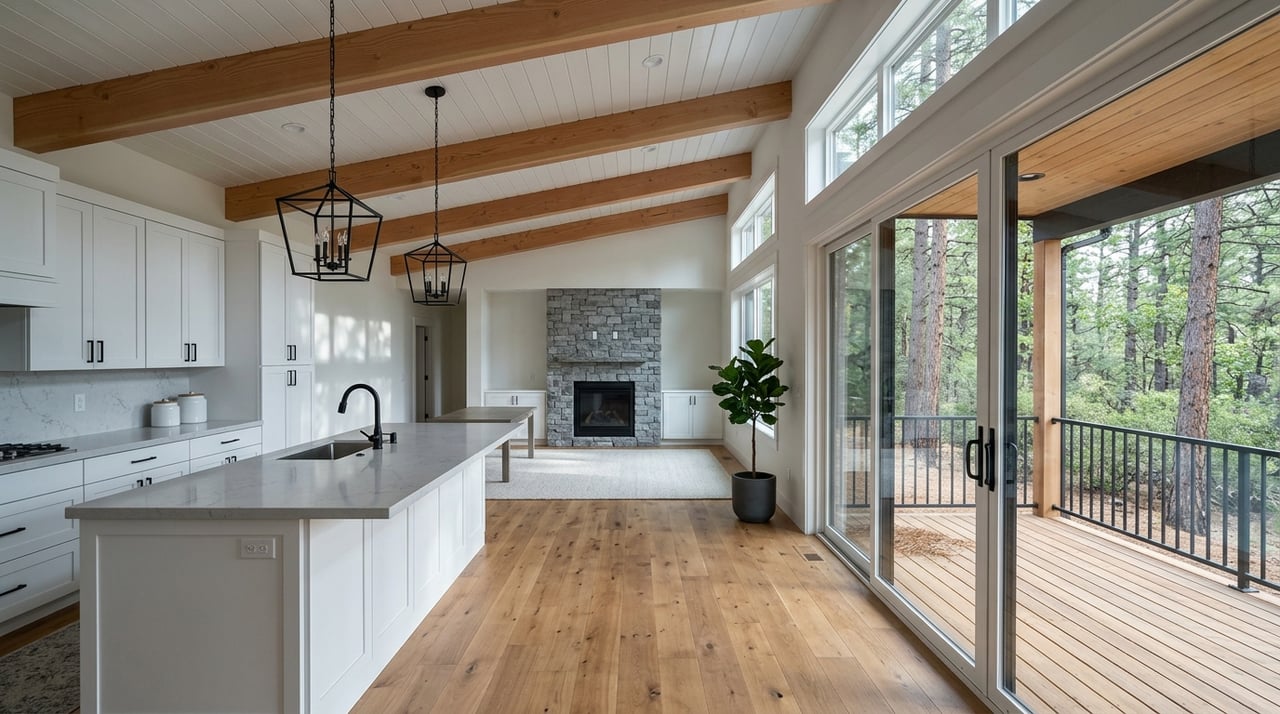
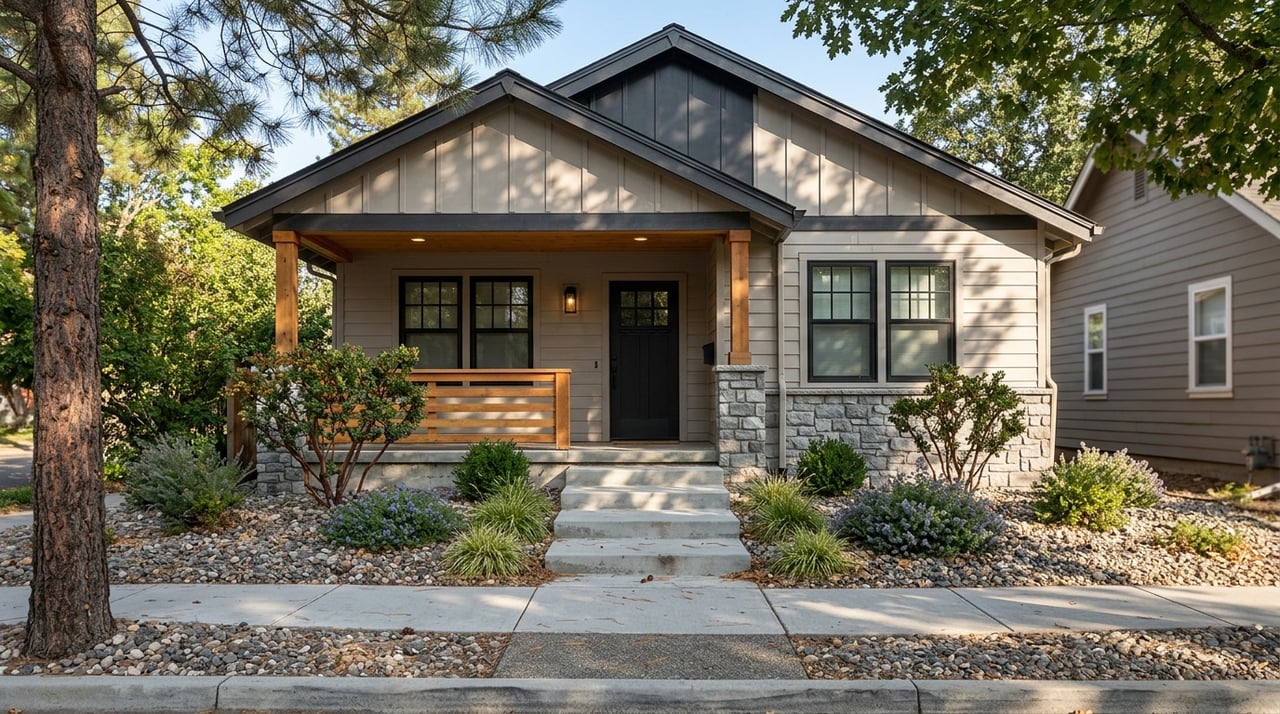
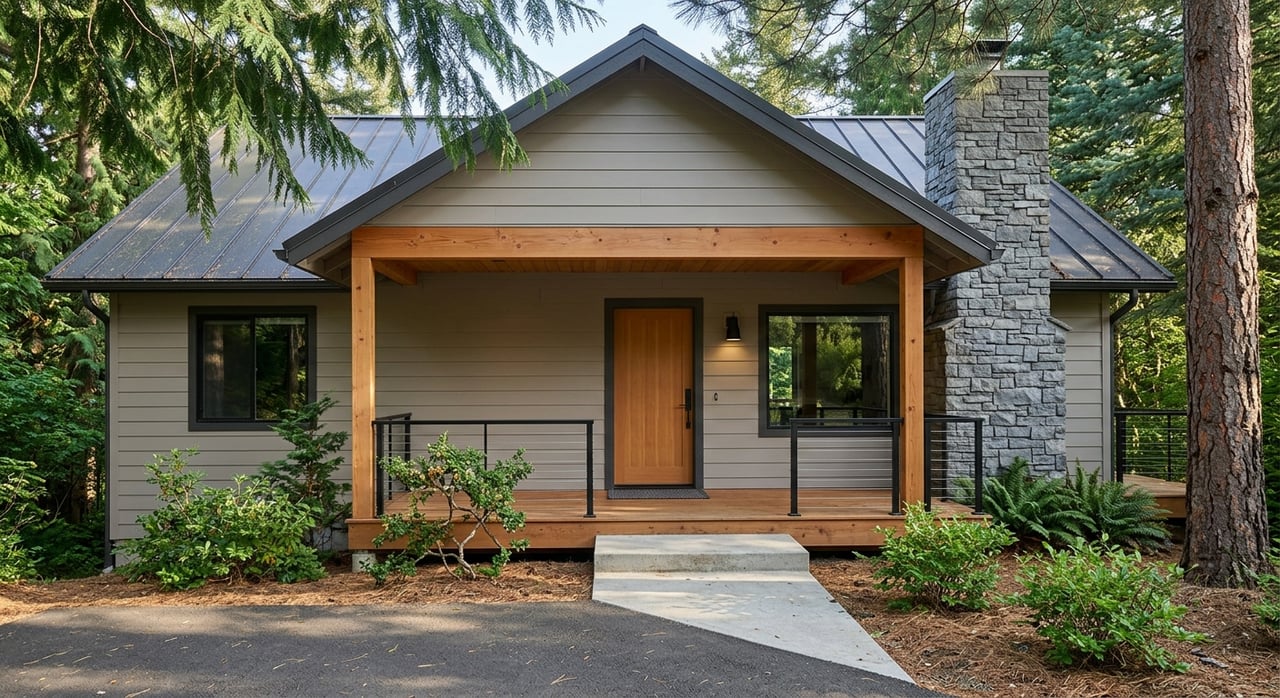
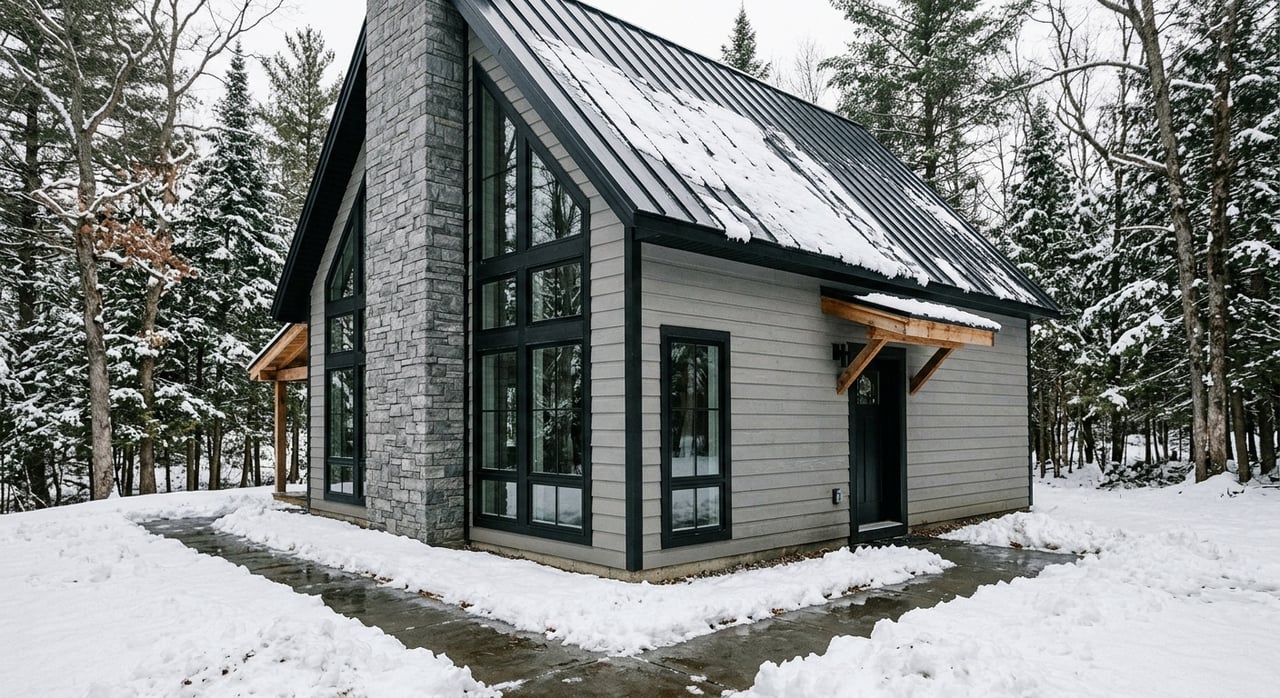
The Tamarack and Twin Bridges pocket has classic Sierra variety. You will see historic timber cabins that were expanded over time, rustic knotty-pine interiors, post-war cottages, and modernized remodels. Sleeping lofts and wood stoves are common, which makes bunking kids and drying gear easy after a long sled session.
Lot sizes often range from about a quarter acre to around three quarters of an acre, with some larger or river-adjacent outliers. Expect tall trees, some sloped terrain, and possible creek or river proximity. That mix offers privacy and play space but also means you should ask pointed questions about drainage, erosion, and flood flags before you buy.
On utilities, many cabins rely on septic systems and wells or small community water systems. Plan to verify septic age and capacity, well yield and water testing, and electrical service size. If there is a wood stove or insert, confirm permits and maintenance records. Upgrades and permit history matter both for safety and for insurance.
Ownership at elevation: access, safety, and operations
Winter access takes a plan. Driveways can be steep and icy, and you will likely want a snow-removal contractor or your own equipment lined up before the first big storm. Ask sellers where snow is typically piled, how often plowing was needed, and whether the county maintains the nearest approach. For travel days, the Sierra-at-Tahoe road information page is a helpful reminder to review cameras and chain rules.
Wildfire safety and compliance are essential in forested corridors. California’s defensible-space rules under PRC 4291 outline Zone 0, Zone 1, and Zone 2 strategies, which reduce ember pathways and fuel near the home. Learn the specifics on CAL FIRE’s defensible space guidance. Sales in High or Very High Fire Hazard zones can also trigger AB 38-related documentation for defensible space at closing, and new ember-resistant concepts for Zone 0 are moving forward through state rulemaking. For an overview of AB 38 sale requirements and inspections, review this AB 38 summary from a California fire agency.
El Dorado County and local fire safe councils support homeowners with assessments and programs. If you want to plan mitigation and ask about chipping or community hardening efforts, start with the county’s Office of Wildfire Preparedness and Resilience.
Short-term rental rules: know before you count on income
If you plan to rent occasionally, focus early on El Dorado County’s Vacation Home Rental rules. In the unincorporated Tahoe Basin, short rentals under 30 days require a VHR permit with safety inspections, occupancy and trash standards, bear-proofing rules, and a local contact. The county maintains a permit cap in the Basin and a 500-foot buffer to prevent clustering, and properties can land on a waitlist when caps are reached. Permits are not transferable when a home sells, and violations carry penalties. Get the current details and the map tools in the county’s Code Enforcement VHR FAQ.
Because the Tamarack and Twin Bridges area sits near the Basin boundary, rules can shift by parcel. Always check the specific address on the county’s VHR resources before assuming rental potential, occupancy allowances, or a path to permitting.
Connectivity and services
Cell signals and wired internet can vary by pocket and even by lot orientation. Many owners use satellite-based options or consumer satellite internet services when wired broadband is not practical. If remote work is on your wish list, confirm exact options with providers and review coverage maps before closing.
Budgeting: insurance and ongoing costs
Budget for higher homeowners insurance premiums in forested, higher-elevation zones. Add seasonal maintenance like snow removal, septic pumping, chimney cleaning, and generator or propane costs if applicable. If you plan for STR use, include permit fees and the cost to pass required safety inspections. Ask sellers for a few years of utility bills and service invoices to help forecast real numbers.
Your family-focused cabin checklist
Use this quick list when you tour or review disclosures. Print it for open houses.
- Location and access
- Confirm the address is in the Tamarack/Twin Bridges pocket and note distance to US 50.
- Is the approach road county maintained or private, and is there safe winter parking and turnaround space?
- Elevation and snow exposure
- Ask for parcel elevation and compare to nearby Echo Lake and Twin Bridges references to set expectations for snowpack duration.
- Utilities and systems
- Septic: age, last pump date, capacity, and permit records with the county.
- Water: well log and yield or written confirmation of a community system, plus recent water-quality test results.
- Heating: type, permit history for any wood stoves or inserts, and service records.
- Safety and compliance
- Fire: any recent defensible-space inspection, and steps taken toward CAL FIRE’s Zone 0, Zone 1, and Zone 2 guidance.
- Permits: verify building permits for added decks, hot tubs, expansions, or major remodels.
- VHR/STR: check El Dorado County’s VHR map and rules, including the Basin cap and 500-foot buffer. Start with the county’s VHR FAQ.
- Family comfort
- Bedroom and bath layout for privacy, plus a mudroom or gear zone for boots, sleds, and skis.
- Parking to match expected occupancy and guest needs in winter conditions.
- Recreation access
- Time to Sierra-at-Tahoe, location of the nearest public sled or Sno-Park area, and lesson or tubing options. Keep the Sierra-at-Tahoe snow report handy.
- Ongoing costs
- Request 3 to 5 years of bills for utilities, plowing, septic, insurance, and any fire mitigation or tree work.
How we help you buy with confidence
You deserve a calm, well-planned path to a mountain cabin that fits your family and budget. Our team pairs deep transaction know-how with practical mountain-market guidance, so you can weigh winter access, fire safety steps, utilities, and potential rental pathways without guesswork. If you decide to pursue rental income, we can connect you with Cedar Creek’s integrated vacation-rental and property-management options to plan a smooth post-close setup.
Ready to explore cabins around Tamarack and make a smart plan for ownership and fun? Reach out to Kip Machado & Team to talk through your goals and next steps.
FAQs
What is “Tamarack” in El Dorado County?
- Locals use Tamarack to describe the small road cluster near Twin Bridges and Echo Lake along US 50, including Tamarack Pines Road and Tamarack Avenue, with nearby features like Tamarack Creek on area maps.
How long is the Bay Area drive to Sierra-at-Tahoe?
- In normal conditions it is often about 2.5 to 3.5 hours, but storms and chain controls can add time, so check the resort’s getting here guidance and road reminders before you go.
What should I know about short-term rentals near Twin Bridges/Echo Lake?
- In the county’s Tahoe Basin, rentals under 30 days require a VHR permit with safety standards, a cap and 500-foot buffer, and non-transferable permits; confirm parcel specifics in the El Dorado County VHR FAQ.
How does elevation affect snow play and upkeep?
- Higher-elevation parcels closer to Echo Lake tend to hold deeper snow longer, which helps sledding but also increases plowing needs and winter access planning; compare elevations using Echo Lake references.
What fire safety steps and inspections happen at sale?
- California requires defensible-space compliance in fire hazard zones and documentation at sale under AB 38, with ember-resistant Zone 0 concepts emerging; see CAL FIRE’s defensible space guide and this AB 38 overview.