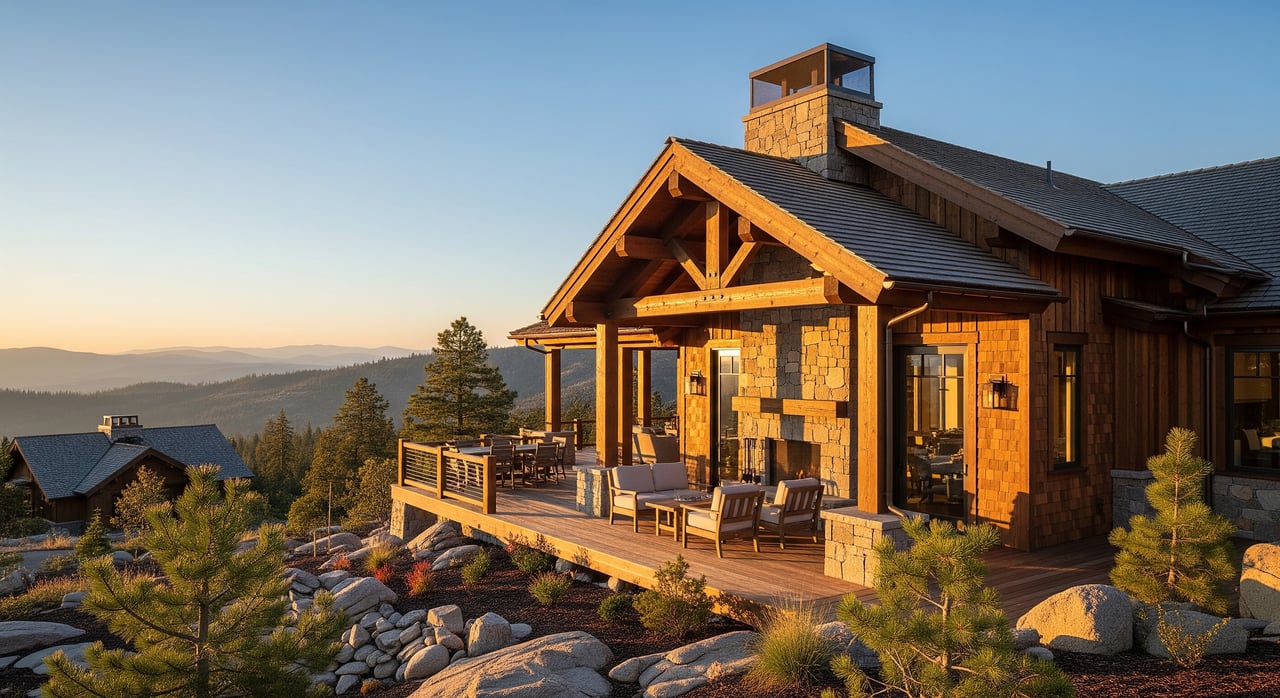
Dreaming of a cozy Arnold cabin where weekends feel simple again, but not sure which neighborhood actually fits your life and budget? You are not alone. Arnold has several distinct cabin communities, and each offers a different mix of amenities, rules, and rental potential. In this guide, you will get a clear, side‑by‑side comparison to help you narrow your search faster and plan smart due diligence before you tour. Let’s dive in.
How to choose your fit
Before you fall in love with a deck view, get clear on your priorities. Arnold sits along Highway 4 in the Sierra Nevada foothills, within an approximate 2.5 to 4 hour drive from many Bay Area locations depending on route and seasonal conditions. Winter weather and wildfire risk are real considerations, and community rules can shape how you use your home, especially if you plan short‑term rentals.
Focus on five filters as you compare neighborhoods:
- Location and access, including winter roads and travel time in snow season.
- Ownership model and governance, HOA vs no HOA and the rules that come with it.
- Home and lot types, rustic cabins, A‑frames, remodeled homes, lot slope and size.
- Amenities and lifestyle, lakes, trails, clubhouses, and how guests can use them.
- Utilities and seasonal realities, water and septic, heating, internet, snow removal.
Community snapshots
Use these quick profiles as a starting point, then verify details with current HOA documents, listings, and county records before you make decisions.
Blue Lake Springs snapshot
- Positioning: Commonly marketed as an established resort‑style community with private lakes or ponds and organized recreation. Often draws families who value on‑site amenities.
- Homes and lots: A mix of historic cabins, mid‑century wood homes, and updated vacation properties on modest, forested lots.
- Who it suits: You want lake and clubhouse access, managed community services, and potential rental appeal if rules permit.
- Investment notes: Confirm short‑term rental rules, guest pass requirements, parking limits, and amenity access for renters. Verify current dues and any special assessments.
- What to verify: Exact amenity list and access rules, water source and system details, and whether roads are private or public with associated maintenance responsibilities.
Lakemont Pines snapshot
- Positioning: Often presented as a quieter, pine‑forest setting with proximity to lakes or neighborhood parks.
- Homes and lots: Rustic cabins and A‑frames plus some larger renovated homes, with wooded and sometimes sloped lots.
- Who it suits: You prefer a more private cabin feel and potentially lower amenity fees or fewer rules, depending on governance.
- Investment notes: Check permissibility of short‑term rentals, septic capacity for guest turnover, and the condition and ownership of access roads.
- What to verify: Presence or absence of an HOA, scope of road maintenance, and exact proximity to lakes and trailheads.
Meadowmont snapshot
- Positioning: Frequently described with a family and lake‑adjacent lifestyle, with greenbelt or open‑space elements and pedestrian access in parts of the neighborhood.
- Homes and lots: A mix of cabins and more contemporary single‑family homes, with possible newer infill.
- Who it suits: You want convenience and neighborhood common spaces that support everyday use and community events.
- Investment notes: Confirm parking capacity and seasonal demand drivers, and review any HOA rules that affect rentals.
- What to verify: Association structure and rules, shared space access, and proximity to Arnold services like grocery and gas.
Fly‑In Acres snapshot
- Positioning: Historically marketed with aviation appeal, suggested by the name. Attracts buyers who like niche communities and larger, more secluded lots.
- Homes and lots: Cabins and single‑family homes on larger parcels, with a more private feel in many areas.
- Who it suits: You want extra space and a unique neighborhood identity that may appeal to hobbyists.
- Investment notes: Niche appeal can narrow general rental demand. Confirm any noise rules, local ordinances, and operational constraints that would affect guests.
- What to verify: The presence and status of any private airstrip or runway, related HOA or ownership rules, county zoning, and any aviation operations guidelines.
Other nearby enclaves
- White Pines, Vallecito, Camp Connell, and other small subdivisions: Typically smaller, less managed neighborhoods with varied amenities and services. These can be quieter and sometimes more affordable.
- What to verify: Specific services, road ownership and maintenance, water and septic systems, and any neighborhood rules.
Buyer personas and best matches
Use these quick pathways to shortlist where to look first.
Family seeking lake time and amenities
- Blue Lake Springs: Organized recreation and private water features can simplify weekend planning. Verify guest access rules if you plan to host.
- Meadowmont: Common spaces and nearby conveniences make it easier to settle in and enjoy the day without long drives.
Quiet‑retreat seekers and retirees
- Lakemont Pines: Wooded setting and cabin character support a slower pace. Confirm HOA structure and rules to ensure they align with your preferences.
- Fly‑In Acres and smaller enclaves: Larger lots and a more secluded feel in parts of these areas. Verify road maintenance and winter access.
STR‑minded investors
- Blue Lake Springs and Meadowmont: Broader appeal may help occupancy if renting is allowed. Confirm short‑term rental rules, transient occupancy tax registration, parking, and guest amenity access.
- Lakemont Pines and other enclaves: May offer lower purchase prices, but verify septic capacity, access logistics for cleaners, and winter guest requirements.
Niche lifestyle enthusiasts
- Fly‑In Acres: Unique identity appeals to buyers who want a distinctive setting. Confirm any aviation‑related rules and neighborhood norms before you commit.
What to verify before you tour
Bring this checklist to your first conversations and property visits.
- HOA documents, CC&Rs, bylaws, rules, budget, reserve study, meeting minutes, special assessments, and enforcement practices.
- STR rules and permits, HOA restrictions, county permits, transient occupancy tax registration and collection, occupancy and parking limits.
- Water and septic, community water system vs well, water quality reports and assessments, septic type, last pump and inspection.
- Utilities and connectivity, PG&E service and panel condition, heating and propane tank ownership, broadband speeds and cell coverage.
- Winter access and road care, who plows which roads, driveway slope and snow logistics, and seasonal access reliability.
- Wildfire risk and mitigation, defensible space status, community fuel reduction programs, evacuation routes, and local fire resources.
- Insurance and financing, availability and cost of homeowners and fire coverage, any underwriting concerns for older cabins, and lender requirements.
Seasonal realities to plan for
Arnold’s mountain climate brings warm, dry summers and cold winters with regular snow at local elevations. That seasonal shift affects daily use and operating costs.
- Winter operations: Plan for snow removal, road access, and protecting plumbing. Ask who is responsible for plowing and what it costs.
- Utilities and systems: Older cabins can have legacy wiring, propane heat, and septic constraints. Confirm system ages and service histories.
- Internet and remote work: Coverage varies by neighborhood and provider. Test actual speeds at the home if you plan to work from the cabin or host guests.
- Site conditions: Steeper, wooded lots may require erosion controls and ongoing vegetation management for defensible space.
Short‑term rentals, rules, and revenue
Short‑term rentals are a key part of second‑home ownership for many buyers. Rules vary between HOAs and the county. Confirm current Calaveras County permitting requirements, transient occupancy tax registration and collection, and any HOA limits on rentals, guest passes, or parking.
Operational details also matter for guest safety and reviews. In winter, set clear expectations for chains or four‑wheel drive, and line up reliable snow removal and cleaning. Verify on‑site trash capacity and access to local property managers if you want hands‑off operations.
If you plan to convert a personal cabin to a rental later, confirm that today’s rules allow it and ask for a written summary of steps, fees, and timelines.
Insurance, lending, and costs
Mountain properties in the Sierra foothills face higher wildfire exposure, which can affect insurance availability and premiums. Ask insurers about coverage options, prior claim history on the property, and any mitigation that could improve underwriting. Some older cabins and nonstandard structures can also complicate appraisals and loans. Get pre‑qualification with a lender familiar with local cabins and seasonal access.
On the cost side, budget for utilities, road fees or HOA dues, septic maintenance, and seasonal services. If the property is on a community water system, request recent water quality reports and any rate or assessment history. For wells, secure well logs and yield testing.
Touring tips and next steps
- Visit in more than one season, summer, fall, and winter can feel like different neighborhoods.
- Ask HOAs and managers about current amenities, rules, and guest access, and whether non‑member guests can tour facilities.
- Drive routes at different times and check travel conditions during peak weekends and snow events.
- Bring a due‑diligence plan, including inspections for roof, foundation, septic, and heating systems.
- If investing, ask listing agents for rental comps, occupancy rates by season, and recent revenue history if available.
When you are ready to compare specific listings and neighborhood fits, connect with a local team that can guide you through both the purchase and the operational side of ownership. With deep Calaveras County experience and integrated vacation‑rental and property‑management options, Kip Machado & Team can help you move from research to keys in hand with confidence.
FAQs
How long is the drive from the Bay Area to Arnold?
- Typical drive times range from about 2.5 to 4 hours depending on your starting point, route, traffic, and winter conditions, so confirm with current mapping before you go.
Are short‑term rentals allowed in Arnold cabin communities?
- Rules vary by HOA and Calaveras County, so verify permits, transient occupancy tax registration, and any HOA restrictions on rentals, guest passes, parking, and occupancy limits.
How does winter weather affect cabin ownership in Arnold?
- Expect snow removal needs, possible access delays, and cold‑weather maintenance like protecting plumbing and ensuring heating and propane systems are serviced.
What should I review in HOA documents before buying?
- Focus on CC&Rs, rules, budget, reserve study, meeting minutes, enforcement practices, special assessments, rental restrictions, parking rules, and amenity access policies.
Is wildfire insurance available for Arnold cabins?
- Availability and cost vary based on location and mitigation; speak with insurers early and ask about defensible space, prior claims, and required coverage types.
Which Arnold neighborhood is best for privacy?
- Privacy depends on lot size, slope, tree cover, and street layout; areas like Fly‑In Acres and some smaller enclaves can feel more secluded, but verify on‑site conditions year‑round.