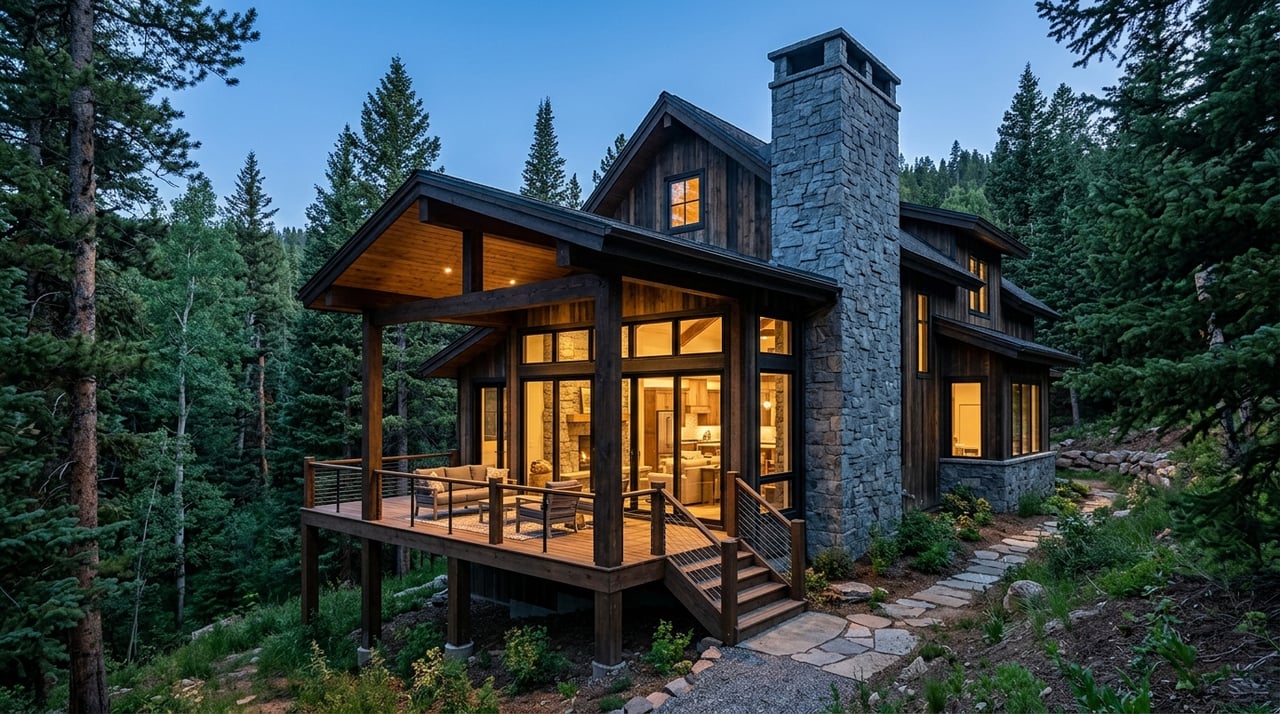
If you are eyeing Copperopolis as a vacation rental play, it is easy to focus on the lifestyle first. Lake days, golf, events at the Square, and a foothill setting with year-round appeal can make the area look promising at a glance. The smarter move is to pair that excitement with careful local due diligence so you can judge whether a specific property truly fits your goals. Let’s dive in.
Why Copperopolis draws visitors
Copperopolis benefits from more than one travel story. Calaveras tourism highlights the area’s recreational attractions, historic character, and the Square at Copper Valley, where visitors can find shops, restaurants, wine tasting, an art center, and year-round events like live music, classic car shows, and farmers markets.
That mix matters if you are evaluating short-term rental potential. A home here may appeal not only to lake visitors, but also to guests looking for outdoor recreation, local events, sightseeing, and a Gold Country getaway. The tourism bureau also notes that Copperopolis can serve as a base for exploring Yosemite, which broadens the visitor profile even more.
Seasonality matters in Copperopolis
Demand in Copperopolis is unlikely to be flat all year. Nearby NOAA climate normals for Sonora show hot, dry summers and wetter winters, with July mean maximum temperatures at 92.8 degrees and very little precipitation, while January averages 6.32 inches of precipitation.
For buyers, that points to a likely seasonal pattern. Late spring through early fall may be the strongest window for lake and outdoor stays, while shoulder seasons may lean more on golf, town events, and regional sightseeing. That does not mean winter demand disappears, but it does mean your income expectations should reflect a year with peaks and slower periods.
Lake Tulloch helps, but access is changing
Lake Tulloch is one of the biggest reasons buyers consider Copperopolis for a vacation rental. But proximity to the lake is not the same as guaranteed guest convenience.
Calaveras tourism notes there were currently no amenities on the Calaveras side of Lake Tulloch. Tri-Dam’s current notices also show that launch access is in flux, including closure of the campground boat launch and the sole public boat launch, with launching limited to designated facilities operating under the aquatic invasive species prevention program.
Tri-Dam also requires vessels to be clean, drained, and dry, and it prohibits launching from private properties or unauthorized locations. In practical terms, that means you should underwrite any lake-oriented rental based on current access rules, not on assumptions about easy boating access.
What this means for guest experience
A lake-adjacent home can still be attractive. But if your marketing plan depends heavily on boating, dock use, or simple lake entry, you need to verify exactly what a guest can and cannot do.
That can affect nightly demand, guest satisfaction, and repeat bookings. It can also shape how honestly and effectively you position the property in the rental market. A home near the lake may still perform well, but the value proposition should match the actual experience available today.
County short-term rental rules to review
Before you buy, make sure you understand Calaveras County’s current short-term vacation rental rules. The county code requires short-term rentals to comply with fire, building, and health codes, which means the home itself must support legal and safe operation.
The county also sets occupancy and parking standards that can directly affect income. The occupancy limit is two people per bedroom plus two additional people per property, subject to review if the unit can safely support more parking and space. Off-street parking is required at one space per bedroom, with a maximum of four spaces.
On-site posting and operating requirements
The rules do not stop at permits and occupancy. The county requires a visible notice at the property with the local managing agency or owner’s 24-hour phone number, maximum occupants, vehicle count, watercraft count, quiet hours, trash arrangements, and other operating rules.
That is important if you plan to self-manage from a distance. A vacation rental in Copperopolis is not just about buying the right house. It is also about having a reliable system for local response, guest oversight, and compliance.
Taxes and permit costs belong in your math
Many buyers start with projected nightly rates and occupancy. A better approach is to start with net operating reality.
In unincorporated Calaveras County, the transient occupancy tax is 12 percent on lodging occupied for 30 days or less. The county planning fee schedule also lists an Administrative Use Permit for Short-Term Vacation Rental at $555 and a rental renewal at $447.
Those costs should be built into your model from day one. If they are treated as afterthoughts, the property may look stronger on paper than it actually is.
ADUs do not create a second STR unit
Some buyers see a guest house or accessory dwelling unit and assume it can boost short-term rental income. In Calaveras County, that assumption needs a closer look.
The county’s ADU guidance states that ADUs cannot be used by paying guests for periods under 30 days. That means an ADU may add flexibility for personal use or longer stays, but it generally cannot function as a separate short-term rental unit.
HOA rules can reshape the opportunity
If the property is in an HOA, the county rules are only part of the picture. HOA restrictions, fees, and amenity rules can change the revenue model in a big way.
Saddle Creek, for example, is a managed community with mandatory membership, recorded CC&Rs, and professional management. Its HOA materials note that assessments may cover items such as trash pickup, utilities, insurance, recreation facilities, and reserves, so dues should be treated as a meaningful operating expense.
Amenity access may not work the way buyers expect
Amenity photos can make a rental listing look more compelling. But the actual guest experience may be narrower than it seems.
Saddle Creek’s pool rules state that the pool is for homeowners and guests, but the homeowner or host member must be present with guests. Guest counts are capped, pool hours are seasonal, and the HOA may fine violations. For a vacation rental buyer, that means you should verify whether advertised amenities are truly usable by renters in the way you expect.
Questions to ask before closing
When you evaluate a Copperopolis property for vacation rental use, a few questions can save you from expensive surprises.
Ask about:
- Whether short-term rentals are allowed under the HOA’s governing documents
- Whether amenities have guest caps or owner-presence requirements
- How parking and trash rules affect operations
- Who handles after-hours calls and compliance issues
- Whether lake access depends on current launch rules or specific ownership rights
- Whether the parcel has any practical issues tied to septic, well, heating, access, or fire safety
These are not small details. In a foothill or resort-adjacent market, they often determine whether a home is easy to operate or frustrating to own.
Rural property costs can add up
Copperopolis buyers should also budget for the realities that can come with rural and foothill properties. Calaveras County’s ADU guidance flags issues such as access, fire safety, snow load, heating, electricity, and septic or well systems.
Even if the home is attractive and well located, these factors can affect maintenance, insurance, utility costs, and long-term ownership ease. A realistic budget should include more than just mortgage, taxes, and cleaning.
How to judge a property more clearly
A strong Copperopolis vacation rental candidate usually needs the right mix of location, usability, and compliance. Lake proximity can help, but so can access to golf, the Square at Copper Valley, and year-round visitor draws.
The key is to evaluate the property as it operates today. Verify the parcel, review the CC&Rs, understand the county code requirements, and test whether the guest experience really matches the income story. That kind of careful review is where local knowledge becomes valuable.
If you are considering a Copperopolis purchase for personal use, part-time rental income, or a more hands-off ownership plan, working with a local team that understands both transactions and vacation-rental operations can make the process much smoother. Kip Machado & Team can help you evaluate the property, the rules, and the real-world fit before you commit.
FAQs
What makes Copperopolis attractive for a vacation rental?
- Copperopolis draws visitors with outdoor recreation, local history, Lake Tulloch proximity, and the Square at Copper Valley, which offers shops, dining, wine tasting, art, and year-round events.
How seasonal is vacation rental demand in Copperopolis?
- Based on nearby climate normals, demand is likely strongest from late spring through early fall, with some shoulder-season demand tied to golf, events, and regional sightseeing.
Can a Lake Tulloch property guarantee easy boating access for guests?
- No. Current Tri-Dam notices show that launch access and boating rules are changing, so you should verify the current guest experience before assuming strong boating convenience.
What are Calaveras County occupancy rules for short-term rentals?
- The county occupancy limit is two people per bedroom plus two additional people per property, subject to review if the property can safely support more parking and space.
What taxes and permit fees should a Copperopolis vacation rental buyer budget for?
- In unincorporated Calaveras County, short-term stays of 30 days or less are subject to a 12 percent transient occupancy tax, and the county lists a $555 Administrative Use Permit fee plus a $447 renewal fee.
Can an ADU in Calaveras County be rented short-term to paying guests?
- No. County guidance states that ADUs cannot be used by paying guests for periods under 30 days.
Why do HOA rules matter when buying a Copperopolis vacation rental?
- HOA rules can affect whether short-term renting is allowed, what amenities guests can use, how parking and trash are handled, and what operating restrictions or fines may apply.