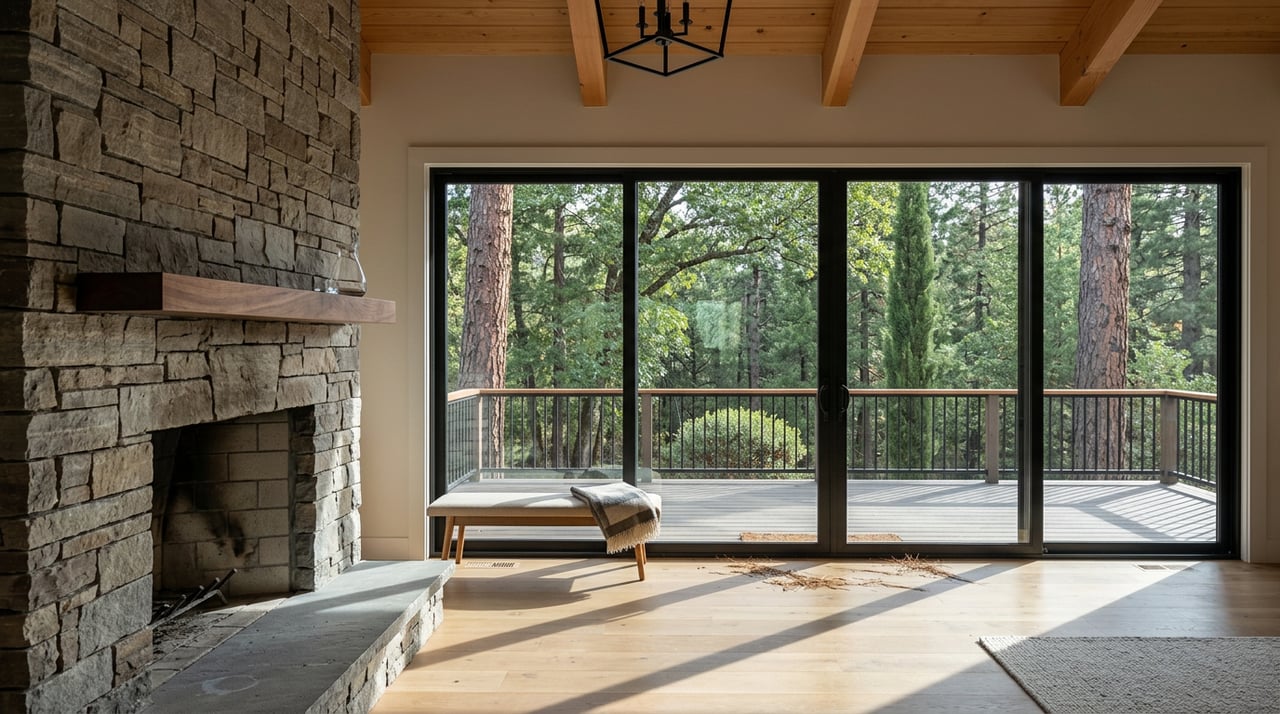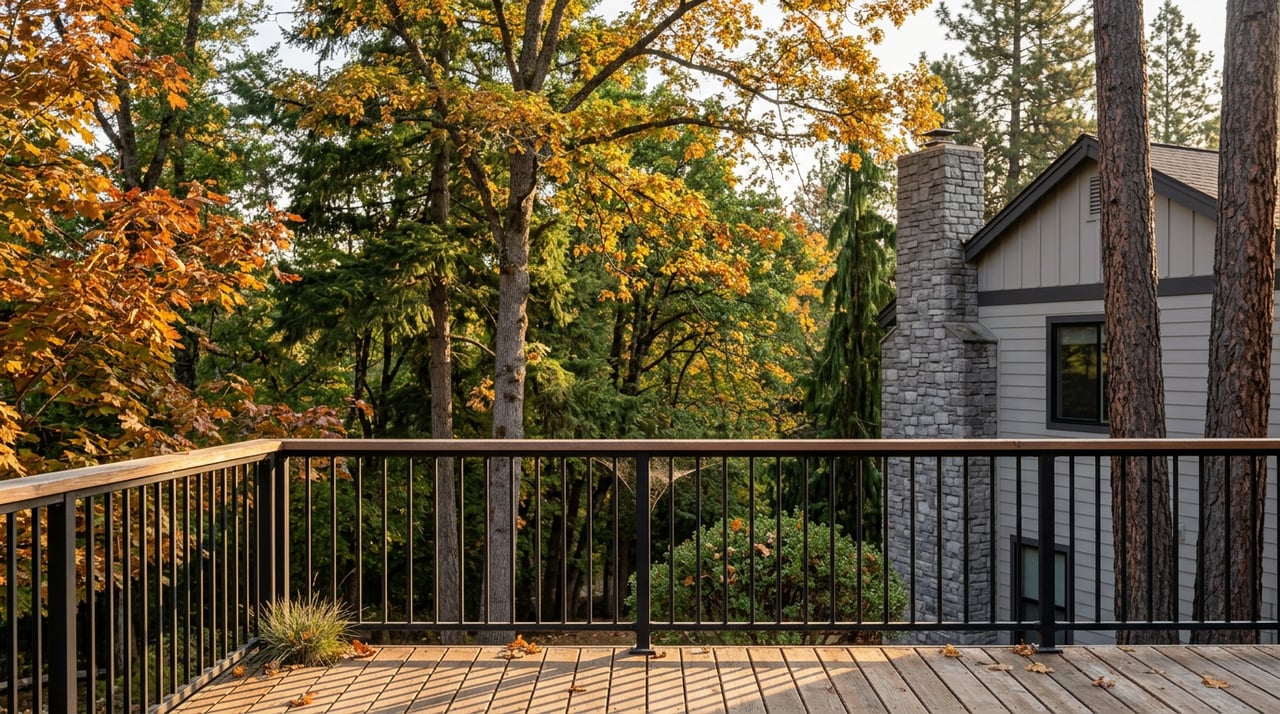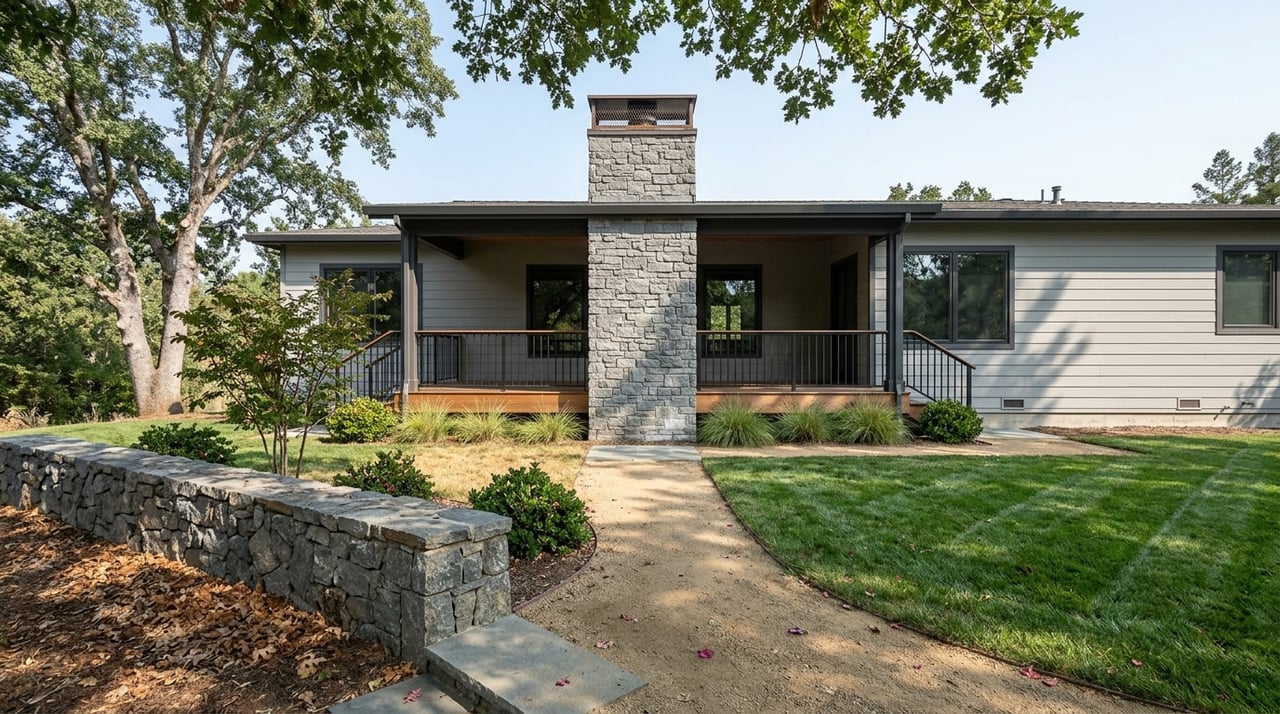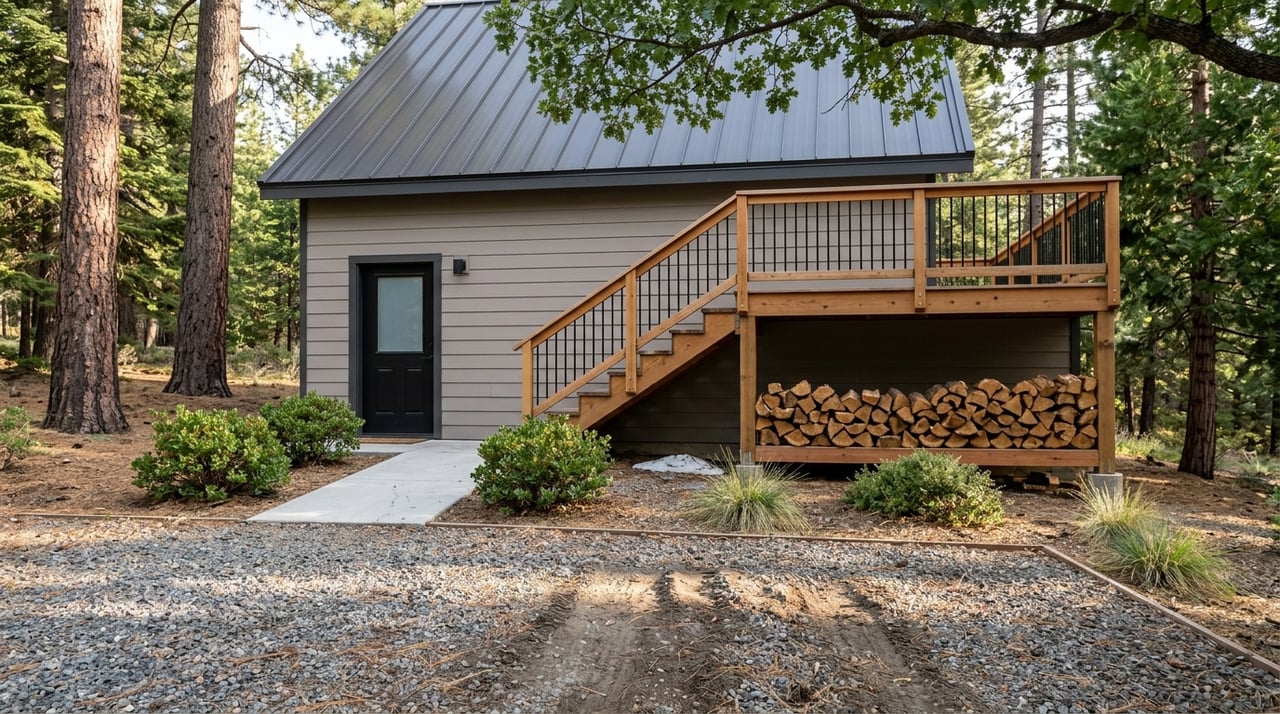
A weekend cabin should make life simpler, not more complicated. If you are thinking about trading Bay Area routines for pine trees, cooler air, and a place you can actually use often, Dorrington stands out for one big reason: it feels away without being unreachable. You still need to plan for mountain travel, weather, and upkeep, but the tradeoff can be worth it if you want a true Sierra base for regular escapes. Let’s look at how a weekend cabin in Dorrington really works.
Why Dorrington fits weekend use
Dorrington is a small Calaveras County community with 519 residents, which helps explain its quiet, tucked-away feel. For many Bay Area buyers, that is part of the appeal. You are not buying into a busy suburban second-home zone. You are buying into a mountain setting that feels distinct from everyday city life.
From San Francisco, the drive is about 3 hours and 5 minutes, or roughly 156 miles. That makes Dorrington realistic for regular weekend trips, but it is usually not an impulse destination. In practical terms, most owners do best when they treat the cabin like a planned getaway rather than a last-minute overnight stop.
Highway 4 shapes the routine
Access matters when you are choosing a second home, and Dorrington’s main mountain corridor is Highway 4. California State Parks notes that Calaveras Big Trees State Park is reached from the Bay Area through major regional routes that connect into Highway 4, and the park is considered easily accessible along that corridor.
That does not mean every trip is effortless. It means the route is established, familiar, and central to how owners use the area. If you are comparing mountain markets, this is an important distinction because your cabin life will be built around one dependable travel pattern.
A Dorrington cabin is seasonal by nature
One of the biggest mindset shifts for Bay Area buyers is this: a Dorrington cabin changes with the season. Nearby Calaveras Big Trees State Park says the area gets snow every winter, and parts of the park road system close after the first significant snowfall or by December 1, then reopen May 1 or later if snow remains.
That seasonal pattern affects more than recreation. It shapes how you pack, how you schedule trips, and how you maintain the property between visits. In Dorrington, winter is not background scenery. It is part of ownership.
Winter takes planning
If your ideal weekend includes snow, winter can be a major benefit. The nearby park publishes winter trail options including the North Grove Ski Trail and the Parkway Loop Ski Trail, and the broader corridor offers access to skiing, snowboarding, cross-country skiing, snowshoeing, and snowmobiling opportunities nearby.
At the same time, winter ownership asks more of you. You need to think ahead about road conditions, heating, winterization, and whether your arrival and departure windows need extra flexibility. For many buyers, that is not a drawback. It is simply the reality of owning a true mountain cabin.
Spring and fall can vary
Shoulder seasons can be beautiful, but they are not always predictable. Calaveras Big Trees notes that prescribed burns are often conducted in fall and spring, which can close parts of the park for weeks and may affect air quality.
That means some weekends may feel different from what you expected when you booked time away. If you like a mountain property that changes through the year, this may feel normal. If you want the same easy routine every month, it is smart to understand that Dorrington comes with more seasonal variables than an in-town second home.
Summer is the easiest stretch
For many owners, summer is when the cabin feels most effortless. When snow is gone, more of the park’s spring-to-fall trail system opens up, including access around the South Grove and Beaver Creek side.
The broader Highway 4 corridor also supports hiking, mountain biking, horseback riding, fishing, and scenic drives. The Arnold Rim Trail is open year-round and is designed for hikers, mountain bikers, and equestrians. If your goal is simple outdoor weekends with fewer access concerns, summer is often the easiest season to enjoy consistent cabin use.
What a typical weekend looks like
A lot of buyers imagine nonstop relaxation, but the most realistic version of cabin ownership is a mix of recreation and routine. Dorrington works well because it sits within a larger outdoor loop, not because it functions like a one-stop destination town.
A common rhythm is simple:
- Friday arrival after work or early evening
- Saturday spent outdoors
- Sunday focused on cleanup, prep, and departure
That pattern works well for many second-home owners because the area offers enough to do without forcing a packed schedule. Calaveras Big Trees supports day-use hiking, picnicking, accessible trails, camping, and seasonal programs, while the surrounding corridor adds more year-round recreation options.
Ownership involves maintenance between visits
This is one of the most important realities to understand before you buy. A weekend cabin sits empty much of the time, and that means maintenance and security matter more than they would in a full-time home.
For owners who are away between visits, the Calaveras County Sheriff’s Office offers vacation-home checks on request. The office asks for 72 hours’ notice, and checks are completed as time permits. The county also notes that the service does not include picking up mail or newspapers.
That kind of detail matters because successful weekend ownership is often about systems. The easier it is to manage the cabin when you are not there, the more enjoyable it is when you are.
Think through your use before you buy
Not every cabin fits the same kind of owner. Some buyers want a low-maintenance place for family weekends. Others want a property they can enjoy personally and possibly use for part-time rental income. The right choice depends on how often you plan to visit, how much weather variation you are comfortable with, and how hands-on you want to be.
Before you buy, it helps to think through questions like these:
- Will you use the cabin year-round or mostly in summer?
- Are you comfortable planning around snow and mountain road conditions?
- Do you want a place that stays private between visits, or one that may also support rental use?
- How much time do you want to spend on upkeep before heading back to the Bay Area?
These are not minor details. In a mountain market, they shape whether the property feels easy and enjoyable after closing.
If you want to rent the cabin part-time
Some buyers look at Dorrington and see a personal retreat with occasional income potential. That can be part of the picture, but it is important to stay grounded in current county rules.
Calaveras County’s Tax Collector says the county’s Transient Occupancy Tax is 12% of rent charged to transient guests staying 30 days or less in unincorporated areas of the county. That is a clear public rule for short-stay lodging.
At the planning level, the county lists a fee for an Administrative Use Permit for a Short Term Vacation Rental, along with a renewal fee. At the same time, the county’s public short-term rental framework appears to be evolving, which means buyers should verify planning rules, tax registration requirements, and permit status for the specific property before assuming rental income.
Do not treat rental income as automatic
This is where local guidance matters. A cabin may be well suited for personal use, but that does not mean you should automatically underwrite it as a short-term rental.
The safer approach is to look at each parcel individually and confirm what applies now. If rental use is part of your plan, you want clarity on county requirements before you buy, not after.
Why local guidance makes a difference
Weekend-cabin buyers often need more than a home search. You may also need help understanding access patterns, seasonality, operating realities, and whether a property fits your goals as a personal retreat, a future rental, or both.
That is especially true in a place like Dorrington, where the lifestyle is appealing precisely because it is a real mountain environment. A good purchase is not just about liking the cabin. It is about matching the cabin to the way you will actually use it.
If you are considering Dorrington, the most helpful next step is to talk through your weekend habits, your tolerance for seasonal change, and whether you want support beyond the sale. Kip Machado & Team can help you evaluate cabins with a local, practical lens so you can buy with confidence.
FAQs
How far is Dorrington from the Bay Area for weekend trips?
- From San Francisco, the drive is about 3 hours 5 minutes and roughly 156 miles, which makes Dorrington realistic for regular weekend use with some advance planning.
What is winter like for Dorrington cabin owners?
- The area gets snow every winter, and seasonal road closures in nearby park areas are part of the normal pattern, so winter ownership usually requires planning for access, heating, and weather.
What can you do near a Dorrington weekend cabin?
- Nearby recreation includes hiking, picnicking, accessible trails, camping, seasonal programs, mountain biking, horseback riding, fishing, scenic drives, and winter trail activities such as skiing and snowshoeing.
Is Dorrington a good place for a part-time vacation rental?
- It can be a possibility, but you should verify current Calaveras County planning rules, permit requirements, and tax obligations for the specific property before counting on rental income.
What tax applies to short-term rentals in Dorrington?
- Calaveras County says a 12% Transient Occupancy Tax applies to rent charged to transient guests staying 30 days or less in unincorporated areas of the county.
How can owners check on a Dorrington cabin between visits?
- The Calaveras County Sheriff’s Office offers vacation-home checks on request with 72 hours’ notice, completed as time permits.