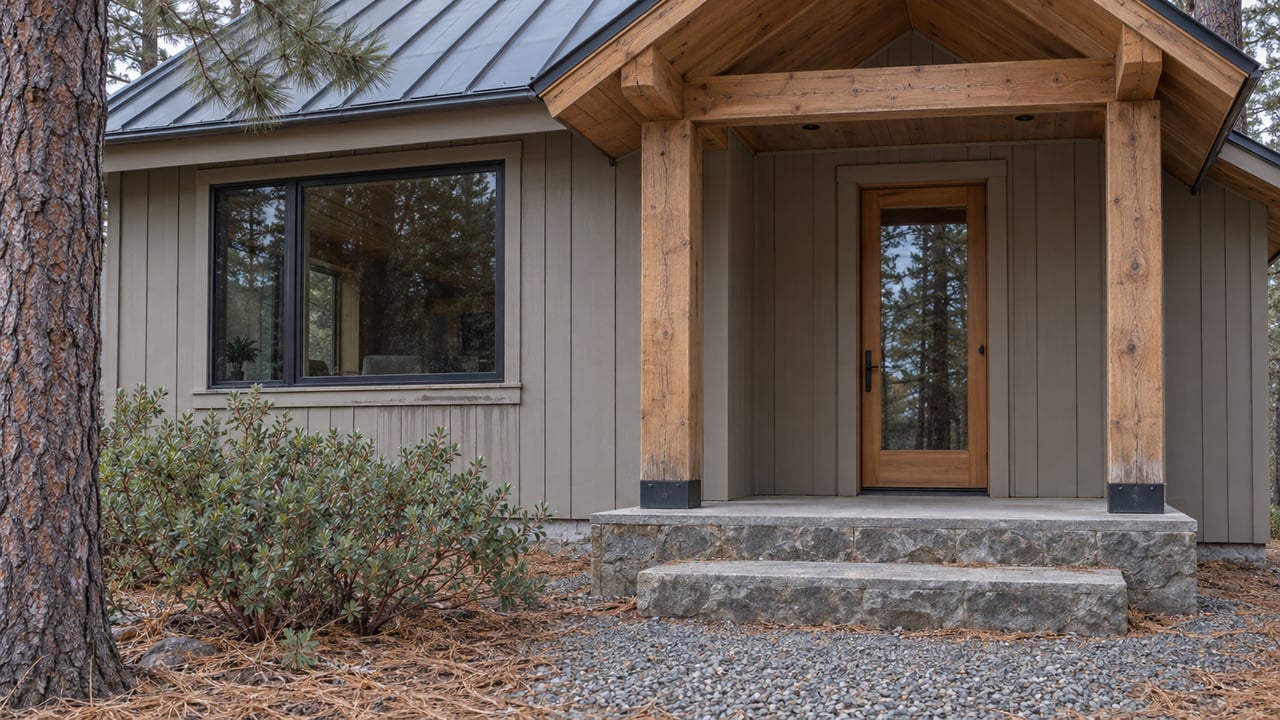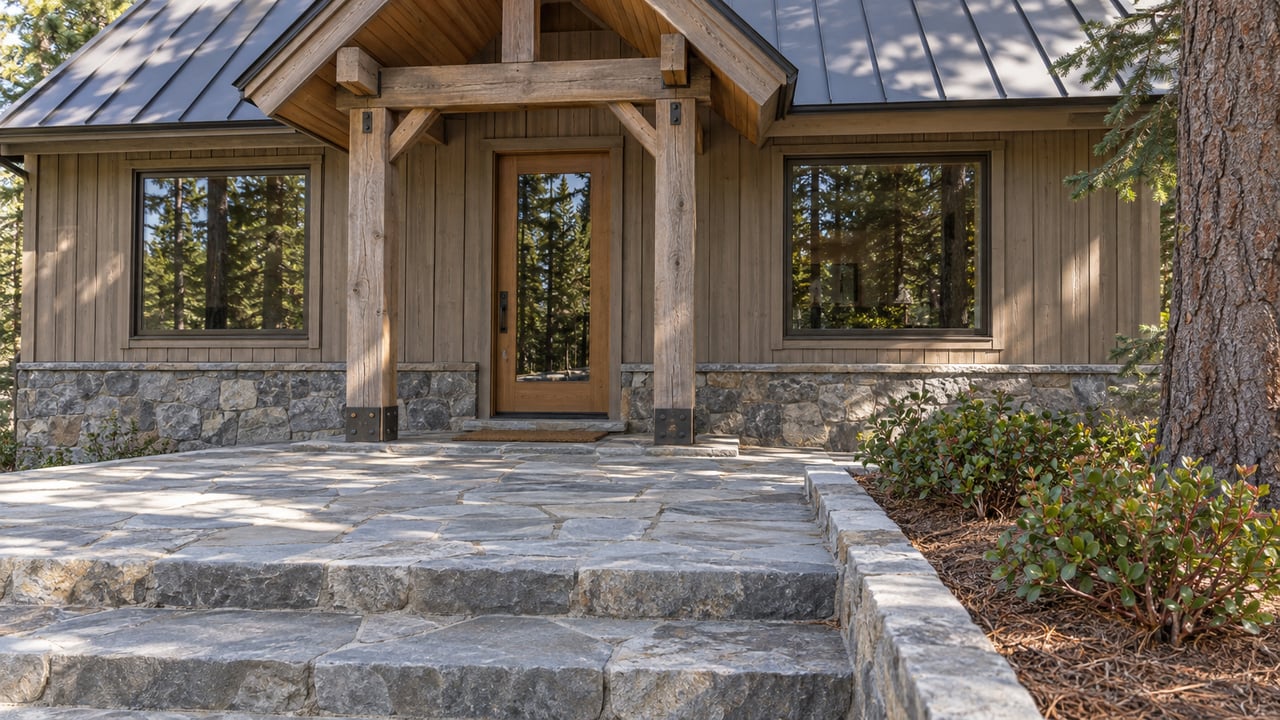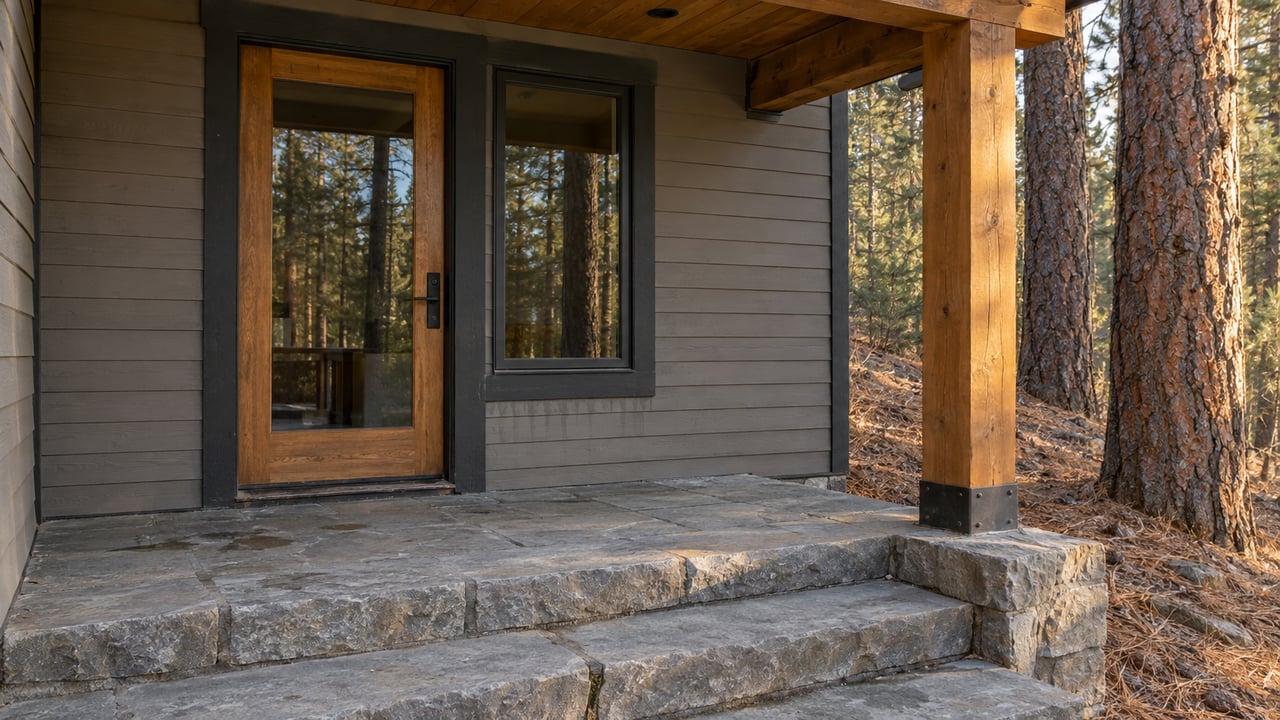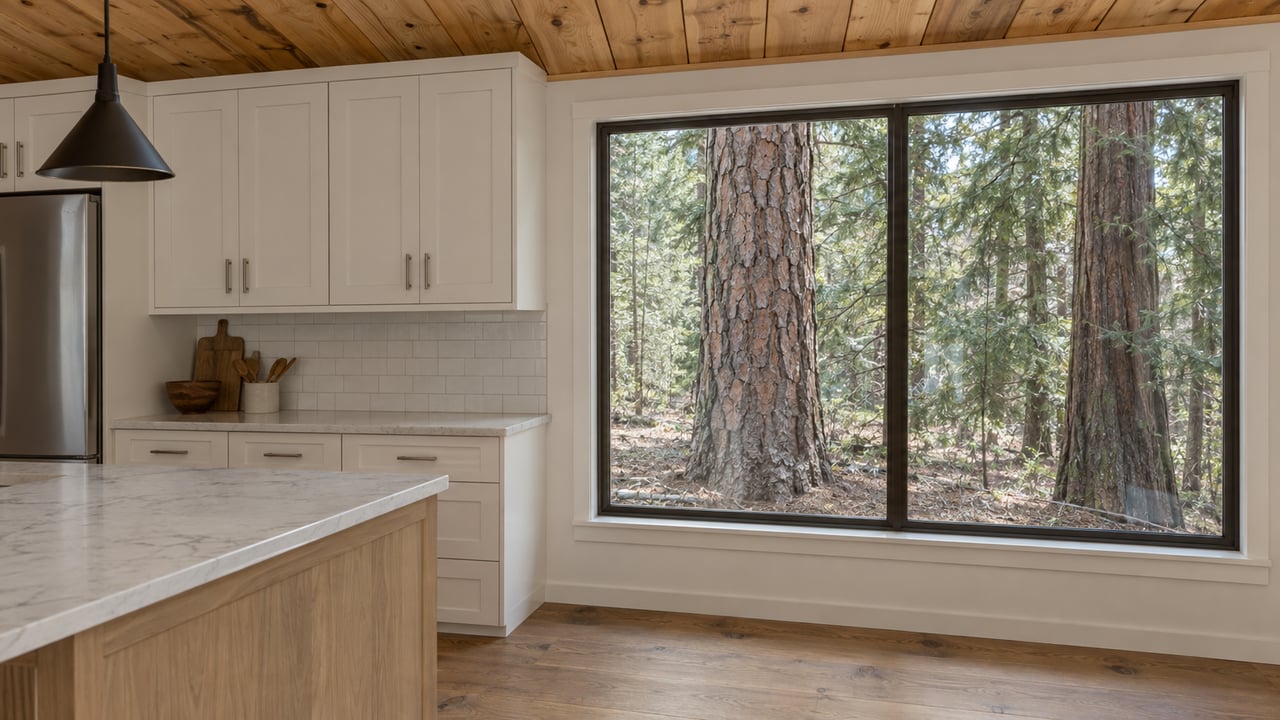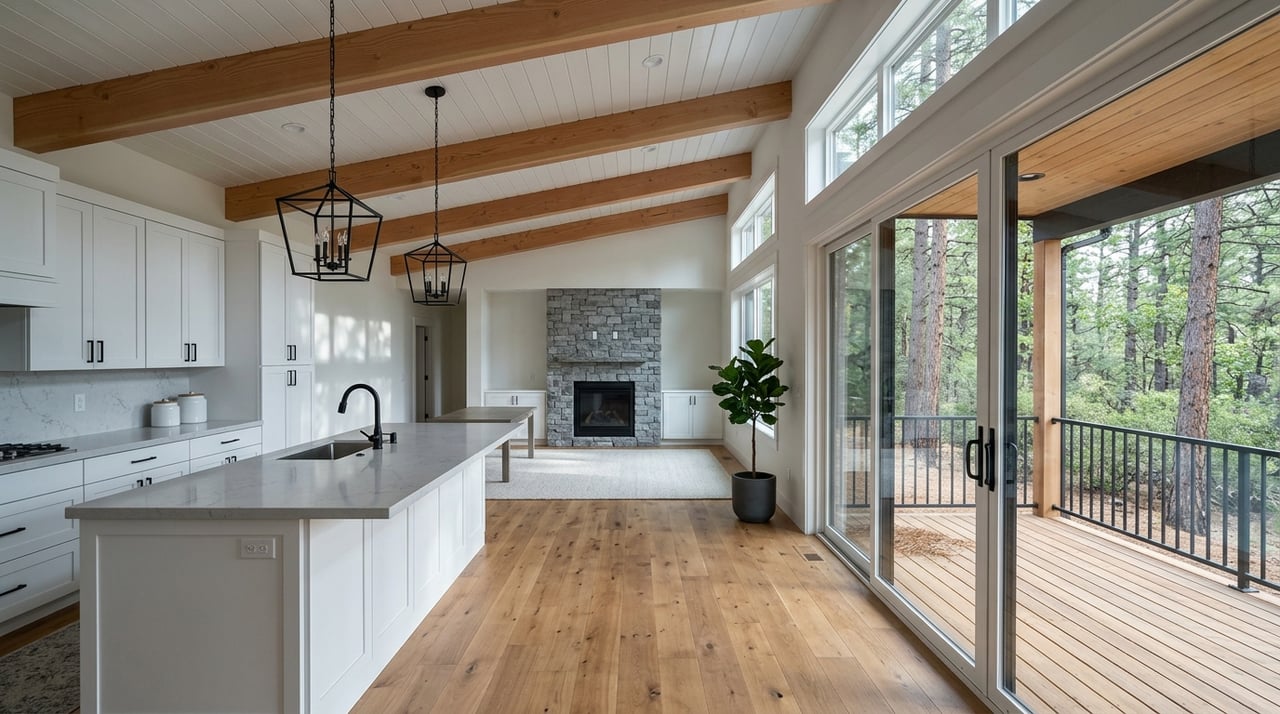
Looking for a full-time home in Hathaway Pines means thinking beyond square footage and finishes. If you are drawn to a forested mountain setting but want to live there year-round, you also need to think about road access, winter weather, wildfire planning, and how daily life actually works along the Highway 4 corridor. This guide will help you understand what full-time living in Hathaway Pines can look like, what to evaluate before you buy, and how to make a more confident decision. Let’s dive in.
Hathaway Pines at a Glance
Hathaway Pines is part of Calaveras County’s Avery-Hathaway Pines community plan area, a roughly 19-square-mile corridor along both sides of State Route 4. The county describes the area as stretching through varied terrain, from relatively flat ground to steep slopes, with chaparral at lower elevations and mixed-conifer forest covering most of the area.
For you as a full-time buyer, that matters because Hathaway Pines is not a traditional town-center neighborhood. It is better understood as a low-density mountain residential corridor where the setting, lot layout, and access can matter just as much as the home itself.
Why Full-Time Buyers Choose Hathaway Pines
If you want a year-round mountain lifestyle, Hathaway Pines offers a forested setting with more breathing room than many denser residential areas. The county’s land-use framework points to predominantly single-family housing, and the area’s planning character emphasizes open space and scenic forest conditions.
That often translates into homes on larger parcels, more separation between properties, and a setting that feels tied to the landscape. For many buyers, that is the appeal: you are not just buying a house, you are buying into a mountain way of living.
Snow and Winter Conditions
Hathaway Pines sits in a mountain weather zone, and winter is part of daily life here. Calaveras County places Hathaway Pines in the 3,000 to 4,000-foot snow-removal band, while nearby Arnold falls into the higher 4,000 to 5,000-plus-foot band.
In practical terms, Hathaway Pines generally has less snow burden than higher-elevation communities farther up the corridor. That said, you should still expect snow, changing road conditions, and winter routines that may feel very different from lower-elevation foothill living.
How county snow service works
Calaveras County says snow plowing begins only after specific snowfall thresholds are met. Main roads and school-bus routes are prioritized, and road work can be delayed by hazards like fallen trees and downed power lines.
The county also states that driveway berms are the resident’s responsibility. Gravel and dirt roads are not plowed by the county, which makes road surface and driveway design especially important when you are evaluating a property.
What to check before you buy
When you tour homes in Hathaway Pines, look closely at the basics of winter access:
- Driveway slope and length
- Whether the road is paved, gravel, or dirt
- Space for snow storage
- Ease of turning around and parking
- Entry access from the road during storms
These details can affect your day-to-day comfort as much as the house itself. A beautiful home can feel very different in January if the approach is steep, shaded, or hard to maintain.
Wildfire Readiness Is Part of Ownership
Calaveras County’s community plan classifies the area as a high-hazard fire area. The plan points to hot, dry summer weather, flammable vegetation, and steep topography as key reasons for that risk.
For a full-time homeowner, wildfire preparation is not optional background information. It is a core part of owning and maintaining property in Hathaway Pines.
What preparedness looks like
Current county fire-preparedness guidance emphasizes:
- Defensible space
- Home hardening
- Evacuation planning
- Knowing your evacuation zone
The community plan also references fuel breaks and prescribed burns as part of the broader fire defense system in the area. When you are choosing a home, it is smart to evaluate not just the house, but also how the parcel is laid out, how vegetation is managed, and how easy it is to enter and exit the property.
Emergency Access Matters More Here
The county plan notes that emergency medical response can be delayed by travel distance, winter weather, and difficult access. It also states that an all-weather helipad was built within the plan area to support air evacuation and emergency operations.
This does not mean full-time living is impractical. It does mean you should think carefully about access, road conditions, and property layout before you commit to a home. In mountain areas, convenience and safety often come down to details that are easy to overlook during a quick showing.
Daily Life and Services
One of the biggest shifts for many full-time buyers is learning that everyday services are centered in nearby corridor communities rather than within Hathaway Pines itself. This is a road-oriented part of Calaveras County, and many errands happen along Highway 4.
For example, Calaveras County Health and Human Services operates an Arnold outstation on Highway 4, and the sheriff’s office lists an Arnold sub-station in the Big Trees Shopping Center. Those details help illustrate how nearby Arnold supports day-to-day needs in the area.
What that means for your routine
If you live in Hathaway Pines full-time, driving will likely be part of your regular routine. Public transit exists, but it is regional in nature rather than urban or frequent in the way many city buyers may be used to.
Calaveras Connect’s weekday Red Line runs between Valley Springs and Arnold, with stops including San Andreas, Angels Camp, Douglas Flat, Murphys, Avery, and Arnold. Dial-A-Ride service is also available on weekdays by reservation, which can help for selected trips.
Home Types You May See
The Avery-Hathaway Pines plan says housing in the area is predominantly single-family, at 88 percent. It also ties density to infrastructure, with rural residential land generally associated with larger parcel sizes and well/septic setups, while smaller lots depend on water and sewer availability.
That helps explain why full-time buyers often find a mix of mountain cabins, ranch-style homes, craftsman-influenced homes, and vacant parcels with future build potential. The area tends to support a lower-density pattern rather than compact subdivision-style development.
Lot size often changes the decision
In Hathaway Pines, lot size is not just a bonus feature. It can shape your maintenance needs, privacy, parking options, vegetation management, and overall use of the property.
Recent listing examples in the area have included homes on parcels from well under an acre to more than 2.5 acres, along with vacant land opportunities. That range is a reminder that two homes in the same area can offer very different ownership experiences.
Due Diligence for Full-Time Living
When you are buying in Hathaway Pines as a primary residence, your checklist should go beyond the usual buyer questions. Rural mountain ownership often comes with systems and site conditions that deserve extra attention.
Here are some of the most important areas to evaluate:
Water and septic setup
The community plan ties development patterns in part to water and septic infrastructure. That makes it important to understand exactly what serves the property and what maintenance or future limitations may come with it.
Backup power and utilities
Some current listing examples in the area highlight features like automatic generators. That reflects a practical mountain-living priority, especially for full-time owners who want more resilience during outages or storms.
Parking and access
If you have guests, trailers, multiple vehicles, or simply want easier winter functionality, parking layout matters. The best property for full-time living is often the one that works well in ordinary weeks, not just the one that looks best on a sunny day.
Build potential versus ready-to-live convenience
Some parcels may be attractive because of flexibility or future plans, while others are better suited for buyers who want a straightforward primary residence now. Knowing which category fits your goals can save you time and help narrow your search.
Is Hathaway Pines a Good Fit for Full-Time Living?
For the right buyer, yes. Hathaway Pines can be a strong fit if you want a year-round home in a forested mountain setting and you are comfortable with the responsibilities that come with winter maintenance, wildfire preparation, and a car-dependent routine.
The tradeoff is clear. You may gain larger lots, a quieter residential pattern, and a scenic setting, but you also need to plan for seasonal conditions and rural infrastructure realities.
How to Buy Smarter in Hathaway Pines
The most successful full-time buyers here usually focus on function first. They look at the home, of course, but they also study the driveway, lot shape, road surface, utility setup, and how the property will live in winter and summer.
That kind of practical review can make a big difference in a mountain market. With local guidance and careful due diligence, you can find a property that fits not only your budget and style, but also your day-to-day life.
If you are thinking about making Hathaway Pines your full-time home, working with a local team that understands mountain access, rural property details, and the Calaveras County corridor can help you avoid surprises and move forward with confidence. When you are ready to take the next step, schedule a consultation with Kip Machado & Team.
FAQs
What is Hathaway Pines like for full-time living?
- Hathaway Pines is a low-density mountain residential corridor in Calaveras County with a forested setting, predominantly single-family homes, and year-round living potential for buyers comfortable with mountain conditions.
How much snow does Hathaway Pines get compared with Arnold?
- Calaveras County places Hathaway Pines in the 3,000 to 4,000-foot snow-removal band, while Arnold is in the higher 4,000 to 5,000-plus-foot band, so Hathaway Pines generally has less snow burden than Arnold.
What should full-time buyers check about winter access in Hathaway Pines?
- You should evaluate driveway slope, road surface, snow storage space, parking, and whether the property sits on a gravel or dirt road, since the county does not plow gravel or dirt roads.
What wildfire issues should buyers consider in Hathaway Pines?
- The area is classified in the county plan as a high-hazard fire area, so buyers should pay close attention to defensible space, home hardening, evacuation planning, and overall parcel layout.
Are services located inside Hathaway Pines?
- Many everyday services are concentrated in nearby Highway 4 corridor communities, especially Arnold, rather than inside Hathaway Pines itself.
Is public transit available for Hathaway Pines residents?
- Regional transit is available through Calaveras Connect, including the weekday Red Line and weekday reservation-based Dial-A-Ride service, but many full-time residents will still rely mainly on driving.
What kinds of homes are common in Hathaway Pines?
- The area is predominantly single-family, and buyers may see cabins, ranch-style homes, craftsman-style mountain homes, larger rural parcels, and some vacant land opportunities.
What makes buying a primary home in Hathaway Pines different?
- Full-time buyers often need to look more closely at septic and water setup, access, emergency considerations, winter maintenance, backup power, and how the property functions through all seasons.