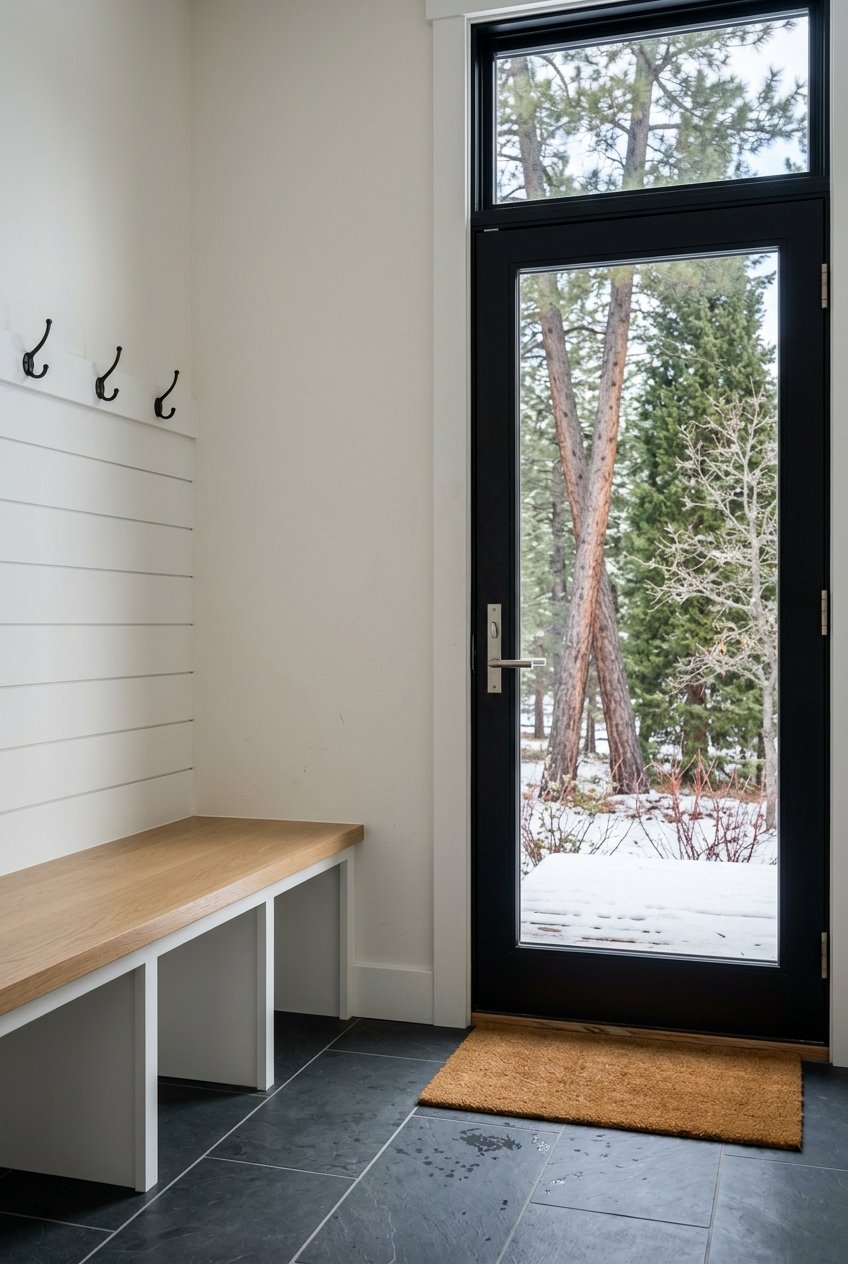
If you want mountain living without committing to the deepest snow in the Highway 4 corridor, Hathaway Pines sits in an interesting sweet spot. You get a forest setting, easy access to trails and outdoor recreation, and a more moderate winter pattern than higher-elevation communities farther east. If you are wondering what daily life really feels like at the snow line in Hathaway Pines, this guide will help you picture the rhythm of the seasons, the housing feel, and the practical trade-offs. Let’s dive in.
What the snow line means here
Hathaway Pines is part of the Avery-Hathaway Pines community plan area in Calaveras County, along the Ebbetts Pass corridor on Highway 4. According to the county community plan, elevations in the broader area range widely, but Hathaway Pines falls into the county’s 3,000 to 4,000-foot snow-plowing band.
In practical terms, that means you can expect regular winter weather, but not the same level of snow you would typically see farther up the corridor. The county notes that plowing in Hathaway Pines begins when snowfall reaches 3 inches, and crews aim to keep paved county roads below 5,000 feet open when possible. Even so, severe storms can still create temporary snowbound conditions, so winter readiness remains part of the lifestyle.
Why Hathaway Pines feels like a middle ground
One reason buyers look closely at Hathaway Pines is its balance. It generally offers more winter atmosphere than lower-elevation areas like Murphys, while staying below the snowier conditions associated with Arnold, which the scenic byway places at about 4,000 feet.
That middle-ground position shapes everyday life. You can enjoy a wooded mountain setting and seasonal snow without necessarily taking on the same level of winter access concerns that come with living deeper into the high country. For many buyers, especially second-home owners and full-time residents who want four seasons, that balance is a major draw.
Neighborhood feel in Hathaway Pines
Hathaway Pines is primarily residential, not a dense commercial center. The community plan reported that about 88% of the housing stock was single-family, with very few multi-family units.
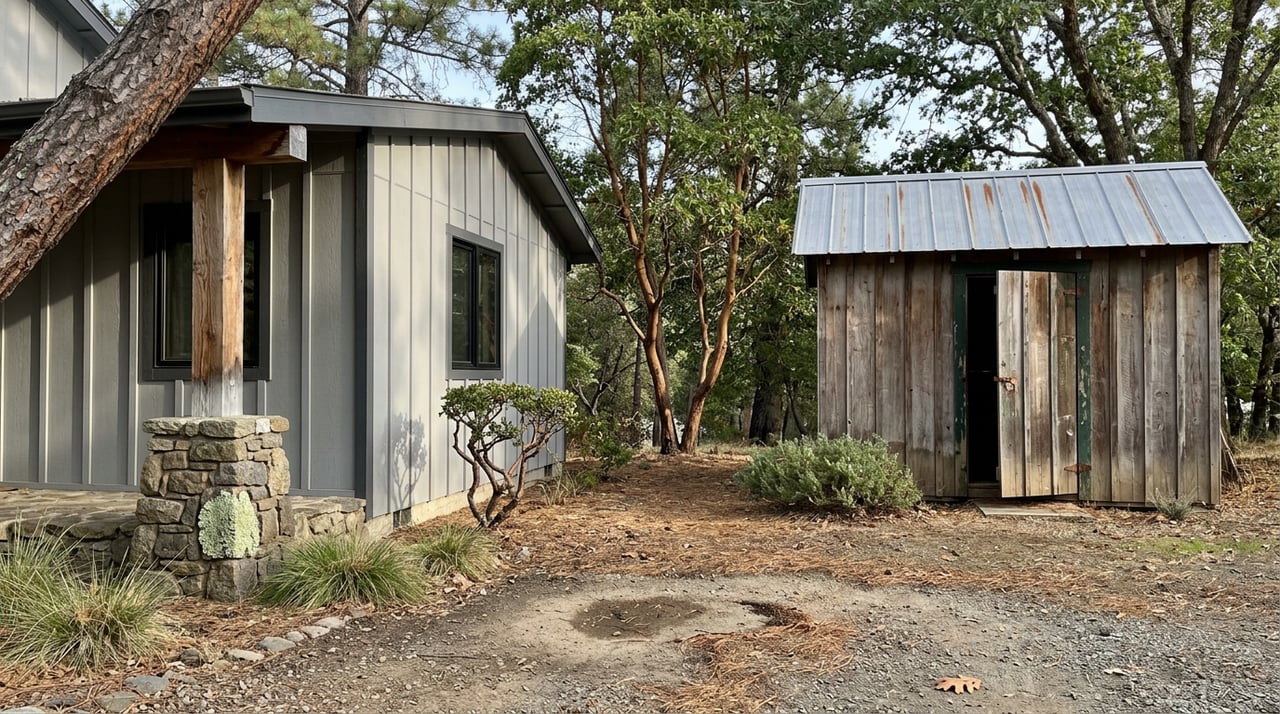
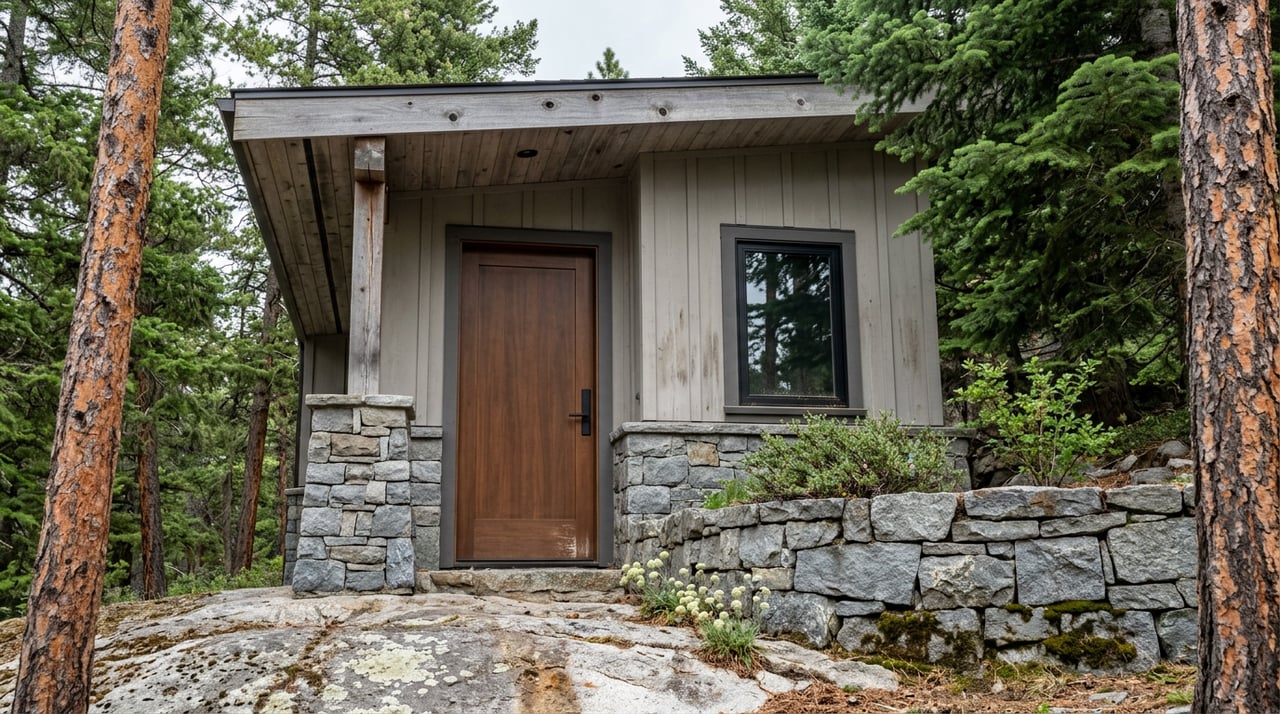
That low-density pattern shows up in how the area feels day to day. You will find a forested setting, residential roads, and lot configurations that range from smaller single-family parcels to larger rural residential acreage, depending on infrastructure like water, sewer, wells, and septic. The county planning framework also emphasizes preserving open space and the scenic wooded environment, which helps explain why Hathaway Pines feels tucked into the trees rather than built up around retail activity.
Daily life along Highway 4
Life in Hathaway Pines tends to revolve around Highway 4 and nearby service hubs. Hathaway Pines itself stays more residential and forest-oriented, while nearby communities help fill in daily needs and recreation.
Arnold is the closest major hub and offers food, gas, lodging, golf, hiking, and access to year-round outdoor activities. Farther downhill, Murphys offers a broader mix of dining, shops, wine tasting, lodging, arts, entertainment, and community events.
This setup is part of the appeal for many homeowners. You can live in a quieter, more wooded setting while still having convenient access to essentials and local destinations up and down the corridor. It also means buyers should think about drive times and routines, since Hathaway Pines is not designed like a walkable town center.
Winter living: what to plan for
Living at the snow line is less about hardship and more about preparation. Calaveras County’s snow-season guidance makes a few points clear for Hathaway Pines residents.
Here are the basics to keep in mind:
- Plowing begins after 3 inches of snowfall in Hathaway Pines.
- Main roads and school bus routes are prioritized.
- County crews do not plow private roads or non-county roads.
- You should always carry chains during snow season.
- Paved county roads below 5,000 feet are generally kept open when possible.
For buyers, this matters when comparing neighborhoods or individual properties. A home on a county-maintained road may offer a different winter experience than one on a private road. If you are shopping for a full-time residence, a second home, or a vacation rental, road access and winter logistics deserve a close look.
Recreation close to home
A big part of the Hathaway Pines lifestyle is how quickly you can get outside. The area offers access to day-to-day recreation without needing to drive deep into the mountains.
The Arnold Rim Trail is a year-round, non-motorized trail system for hiking, mountain biking, and equestrian use. Its southernmost section ends at the Highway 4 heliport about a half-mile west of Hathaway Pines, which puts trail access close to home for many residents.
Nearby White Pines Park and Lake adds another easygoing option, with picnic tables, BBQ rings, a playground, volleyball, and canoe, kayak, and swimming access. For many owners, this kind of close-by recreation is part of what makes everyday life in the corridor feel relaxed and connected to the landscape.
High-country adventures are still nearby
One of Hathaway Pines’ advantages is that you do not have to live in the deepest snow to enjoy it. Head farther east on Highway 4, and the recreation shifts into true high-country terrain.
Calaveras Big Trees State Park is open year-round and offers trails, campsites, a visitor center, and giant sequoias. Farther up the corridor, Spicer Reservoir offers winter SNO-PARK access and groomed areas for snowshoeing, cross-country skiing, and snowmobiling, while Bear Valley brings classic higher-elevation winter recreation.
That means Hathaway Pines can work well for buyers who want easier day-to-day living at home but still want quick access to bigger snow experiences on weekends. It is a practical base camp for people who enjoy the full range of Sierra seasons.
Wildfire readiness is part of the picture
Snow is only one seasonal reality in a forest community. The same setting that makes Hathaway Pines scenic also brings wildfire considerations during the dry season.
The Avery-Hathaway Pines community plan identifies the area as a high-hazard fire area due to hot, dry summers, flammable vegetation, and steep topography. The plan also references local mitigation efforts, including the Hathaway Pines-Valley View fuel break and prescribed burns.
For homeowners, this is another reminder that mountain living comes with seasonal responsibilities. Understanding lot conditions, vegetation, access, and maintenance needs is just as important as understanding winter weather.
Who Hathaway Pines tends to fit best
Hathaway Pines often appeals to buyers who want a mountain setting with a little more breathing room in the seasonal extremes. You may find it especially appealing if you want:
- A lower-density residential setting surrounded by forest
- Seasonal snow without committing to the highest-snow communities
- Quick access to Highway 4 recreation
- Proximity to Arnold and Murphys for services and outings
- A home that could serve as a full-time residence, second home, or vacation-oriented getaway
Because the area is so lifestyle-driven, the right fit often comes down to your priorities. Some buyers want easier winter access. Others want more snow or a more active commercial core. Hathaway Pines stands out because it offers a quieter, residential middle ground.
Why local guidance matters here
In a mountain market, two homes that seem close on a map can live very differently. Road maintenance, elevation, lot configuration, utility setup, and seasonal access can all shape your ownership experience.
That is why neighborhood-level guidance matters so much in places like Hathaway Pines. Whether you are buying your first mountain cabin, planning a full-time move, or looking for a property with future vacation-rental potential, having local insight can help you weigh the lifestyle details that listings alone do not always show.
If you are exploring Hathaway Pines or comparing it with Arnold, Murphys, or other Highway 4 communities, Kip Machado & Team can help you sort through the practical details and find a property that fits how you want to live. Their local experience and high-touch approach make it easier to navigate mountain-market decisions with confidence.
FAQs
What does the snow line mean for living in Hathaway Pines?
- Hathaway Pines sits in Calaveras County’s 3,000 to 4,000-foot snow-plowing band, which means you can expect winter weather and periodic snow, but generally less than communities farther east and higher in elevation.
How much snow does it take for roads to be plowed in Hathaway Pines?
- According to Calaveras County snow guidance, plowing in Hathaway Pines begins when snowfall reaches 3 inches, with priority given to main roads and school bus routes.
What is the housing style in Hathaway Pines?
- Hathaway Pines is mostly a low-density residential area with predominantly single-family homes, forested surroundings, and a mix of lot sizes shaped by local water, sewer, well, and septic conditions.
What recreation is close to Hathaway Pines?
- Residents have access to nearby outdoor destinations including the Arnold Rim Trail, White Pines Park and Lake, Calaveras Big Trees State Park, and higher-elevation recreation farther east on Highway 4.
Is Hathaway Pines a good fit for a second home or vacation property?
- Hathaway Pines can appeal to second-home buyers who want a wooded mountain setting, moderate winter conditions, and access to recreation, while staying connected to nearby service hubs like Arnold and Murphys.