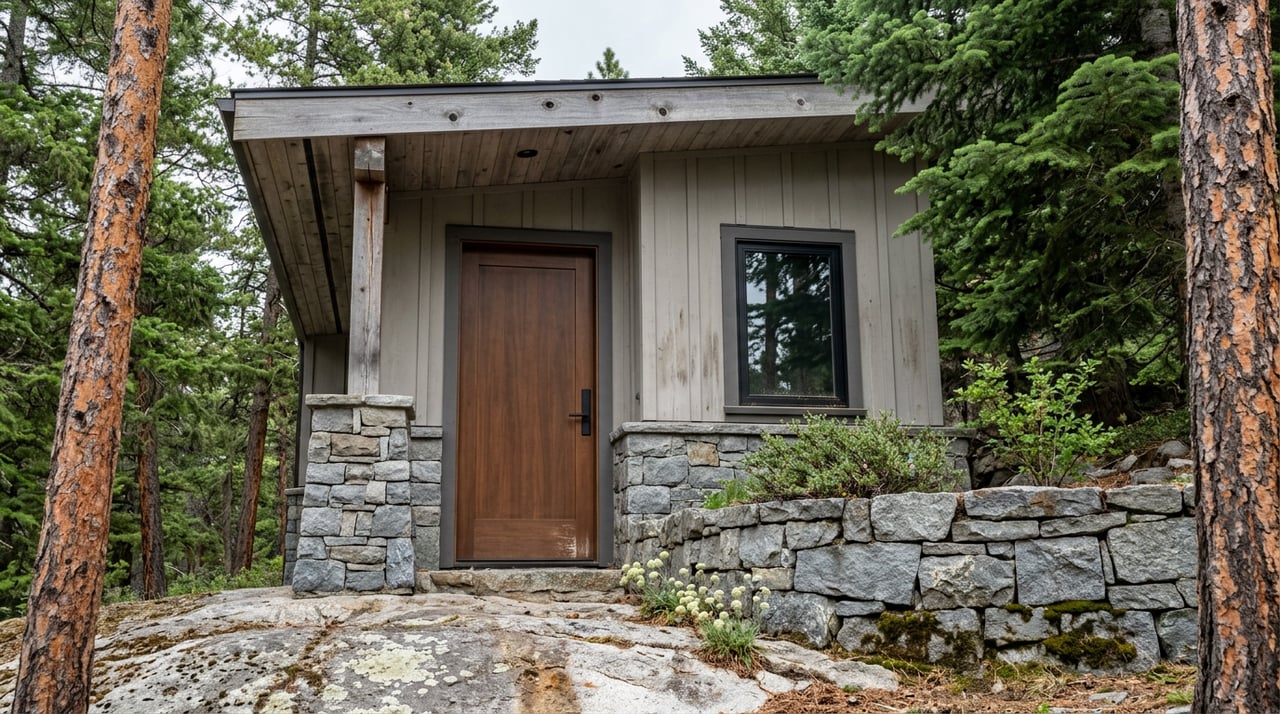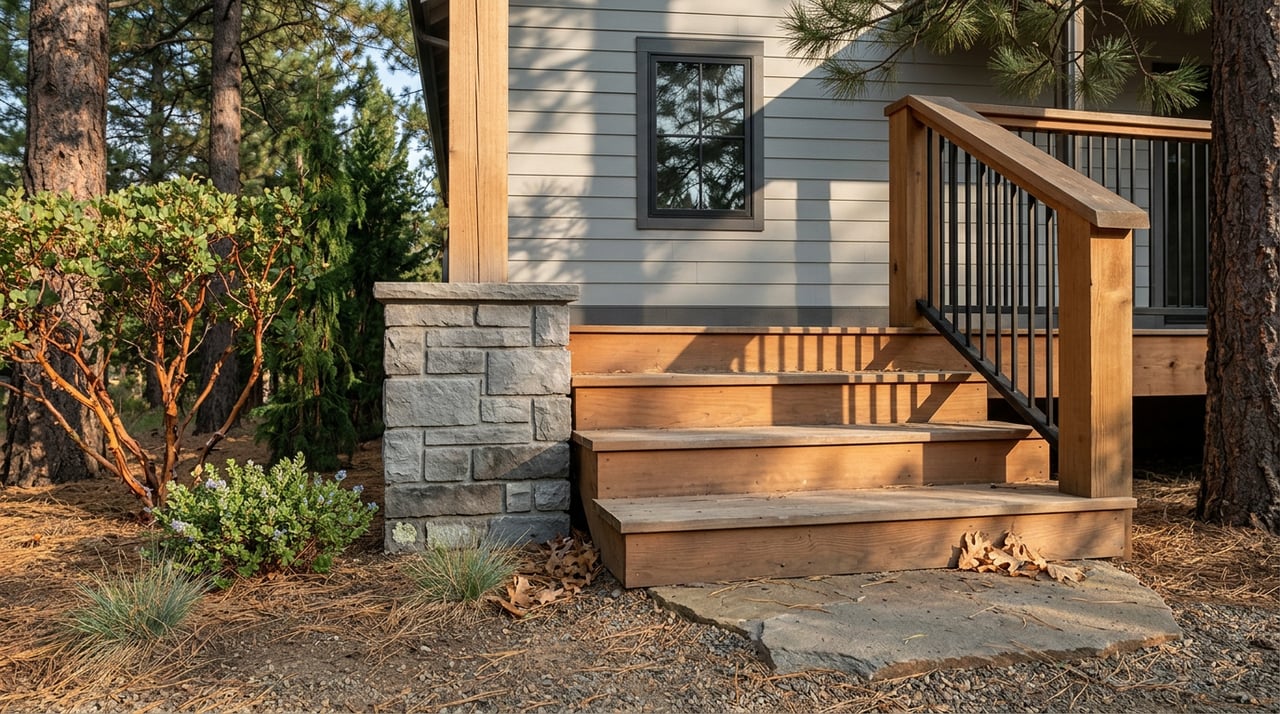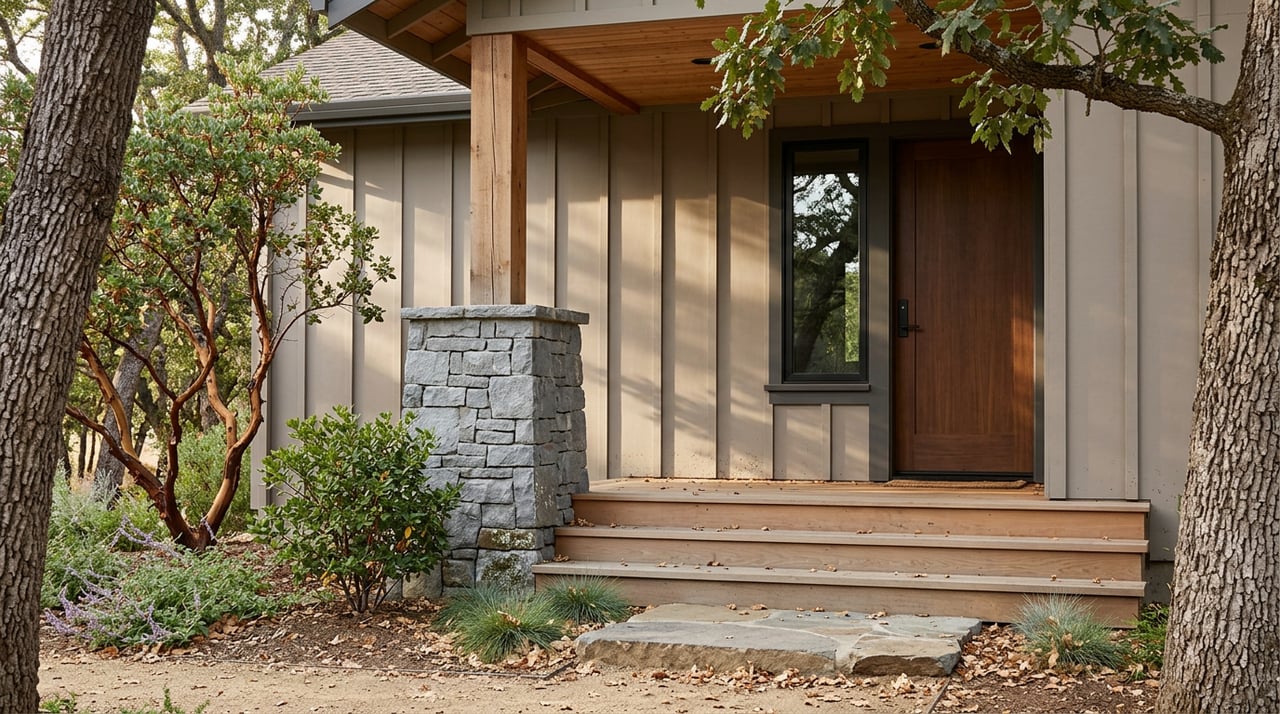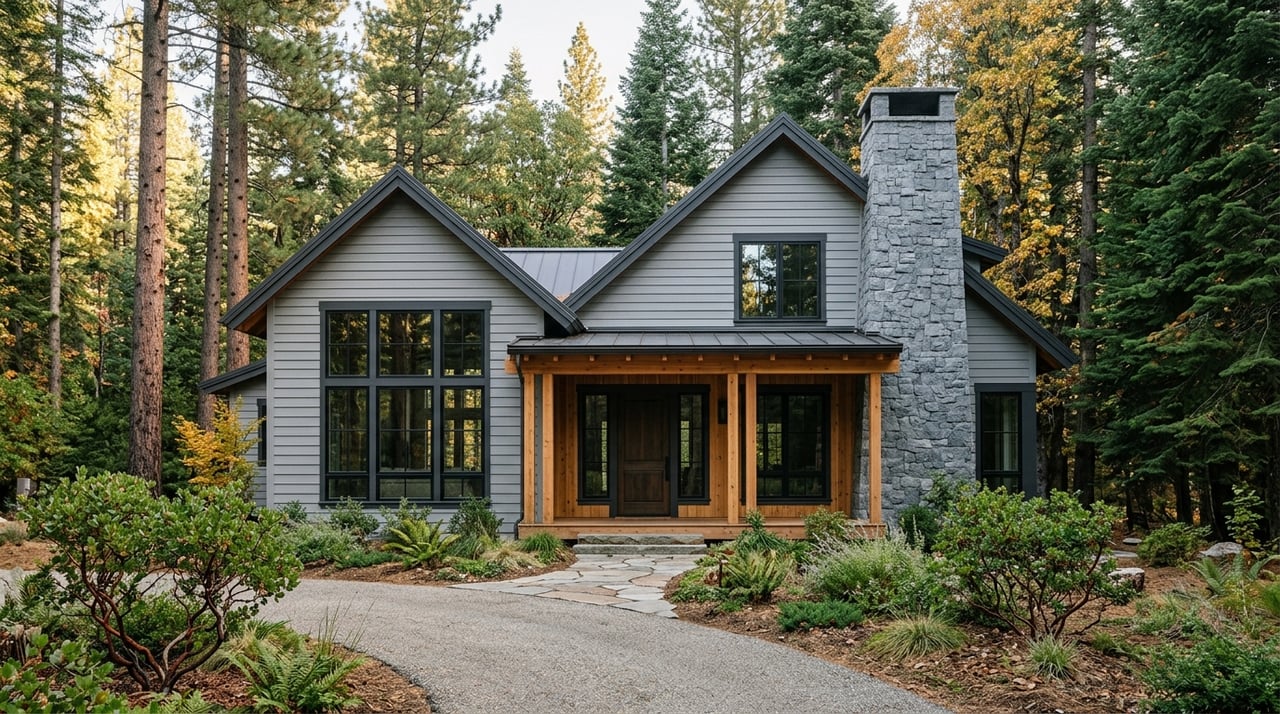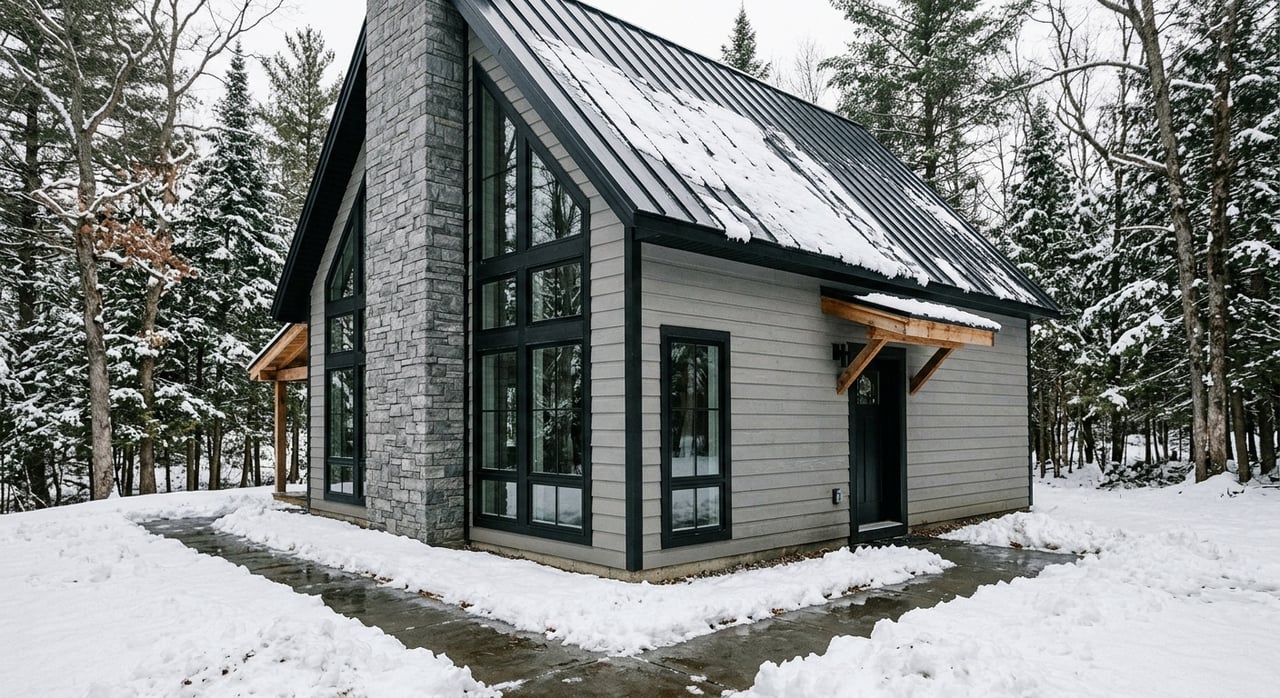
Dreaming about a mountain cabin but not sure whether you want the easier access of Arnold or the deeper snow-and-resort feel of Bear Valley? Dorrington often lands right in that sweet spot. If you are looking for a place that feels like a true forest retreat without going all the way into a resort village, this guide will help you understand why Dorrington stands out and what cabin ownership here really looks like. Let’s dive in.
Why Dorrington Stands Out
Dorrington sits in a unique position along the Highway 4 corridor in Calaveras County. It is often grouped with Camp Connell as part of a shared mountain community area, and it still carries the feel of a small historic settlement with a forest-cabin identity.
That setting matters when you are choosing where to buy. Dorrington is not as built-up as Arnold, and it is not as resort-centered as Bear Valley. For many buyers, that balance is exactly the appeal.
Dorrington’s Elevation Sweet Spot
One of the clearest ways to understand Dorrington is by elevation. The Dorrington and Camp Connell HOA area ranges from about 4,700 to 5,200 feet, which places it above Arnold’s roughly 4,000-foot elevation and well below Bear Valley’s roughly 7,000-foot elevation.
In practical terms, that usually means you get a stronger mountain feel than Arnold, with cooler temperatures and more winter conditions, but not the same level of snow intensity you see in Bear Valley. If you want a cabin experience that feels alpine without being fully resort-level in winter, Dorrington hits a middle ground.
What Winter Access Really Means
If you are thinking about owning a cabin in Dorrington, winter access should be part of your decision from day one. Calaveras County groups Arnold, Dorrington, and Camp Connell together in its 4,000-to-5,000-plus-foot snow-removal bucket, and county public works specifically includes Dorrington roads in plowing, sanding, and de-icing routes.
That is good news for owners, but it does not mean winter is effortless. Roads are maintained, yet you should still expect snow conditions, changing weather, and the kind of planning that comes with mountain ownership.
State Route 4 is another important factor. Caltrans identifies Ebbetts Pass as a winter-closure pass, with seasonal closures eastbound at the Lake Alpine OHV SNO-Park and westbound at the State Route 4 and 89 junction until spring reopening. For you, that means Dorrington remains part of a mountain corridor with real seasonal limits, especially if you plan to travel farther east in winter.
Wildfire Preparedness Is Part of Ownership
Cabin ownership in Dorrington also comes with a real need to think about wildfire readiness. CAL FIRE has a fuel-reduction project in the Dorrington and Camp Connell HOA common area covering about 36 acres, with work aimed at reducing dead trees, surface fuels, and ladder fuels to create a shaded fuel break.
That does not remove risk, and no mountain community can promise that. What it does show is that wildfire preparation is an active part of life in this area. If you are buying here, you should expect preparedness, maintenance, and property stewardship to be part of owning well.
Recreation on Both Sides of Dorrington
A big part of Dorrington’s appeal is what surrounds it. You are positioned between Arnold’s everyday outdoor access and Bear Valley’s higher-elevation recreation.
On the Arnold side, Calaveras Big Trees State Park is four miles northeast of Arnold on Highway 4. The park preserves both the North Grove and South Grove of giant sequoias, and it is one of the region’s best-known outdoor destinations. The Arnold Rim Trail also begins nearby in White Pines, where the first mile is paved and gently graded.
White Pines Lake is another nearby option on the west side of the corridor. For many cabin owners, that kind of close, repeat-use recreation matters just as much as bigger weekend adventures.
On the Bear Valley side, Lake Alpine Recreation Area sits two miles east of Bear Valley on Highway 4 at about 7,300 feet. The area offers boating, swimming, hiking, camping, fishing, picnicking, and biking in summer, plus snowmobiling, snowshoeing, and cross-country skiing in winter.
This is one reason Dorrington works so well for second-home buyers and outdoor-minded owners. You are not just buying a cabin. You are buying access to trails, lakes, scenic drives, and seasonal snow recreation across a broad stretch of the Highway 4 corridor.
How Dorrington Feels Compared With Arnold
Arnold is often the comparison point for buyers shopping this part of Calaveras County. Arnold sits lower, generally offers more moderate snow conditions, and has a more established community pattern.
Dorrington feels quieter and less built-up. Corridor planning documents show that this part of Highway 4 transitions toward larger parcels, less developed infrastructure, and more interspersed forest land as you move higher. That gives Dorrington a stronger cabin-in-the-woods atmosphere, while still keeping you connected to the amenities and recreation west along the corridor.
If you want a place that feels more tucked away than Arnold, Dorrington may be the better fit. If your top priority is the easiest routine winter access and a slightly lower-elevation setting, Arnold may feel more practical.
How Dorrington Differs From Bear Valley
Bear Valley offers a very different ownership experience. Planning data from Alpine County shows a housing pattern strongly shaped by seasonal and recreational use, with a large share of housing classified as seasonal, recreational, or occasional use.
Dorrington reads differently. Based on local history and corridor planning, it has a longer-running residential identity, older cabins, wooded lots, and a more mixed pattern of year-round and second-home ownership. That gives it a less resort-dominant feel.
For some buyers, that is a major advantage. You can enjoy strong mountain character and access to higher-country recreation without being fully tied to a resort-village setting.
Who Dorrington Tends to Suit
Dorrington is not a one-size-fits-all market. It tends to work best for buyers who want balance.
You may feel at home here if you are looking for:
- A quieter cabin base near Arnold and Big Trees
- A mountain property with regular access to trails, lakes, and forest recreation
- A second home that feels more residential than resort-centered
- A place with true winter character, but below Bear Valley’s heavier snow zone
It may be a weaker fit if you want:
- The highest concentration of ski-resort infrastructure
- The easiest winter driving conditions in the corridor
- A more built-up town feel with more nearby daily conveniences
What to Think About Before You Buy
Before you buy a cabin in Dorrington, it helps to think beyond the photos and floor plan. Mountain ownership is as much about location fit and property use as it is about the structure itself.
Start with your seasonal expectations. Ask yourself how often you plan to use the property in winter, how comfortable you are with snow travel, and whether you want a true four-season mountain feel or something more moderate.
Then think about recreation patterns. If your ideal weekends include Big Trees, White Pines, forest trails, and occasional trips farther up the corridor, Dorrington can be very compelling.
You should also think about ownership goals. Some buyers want a pure personal retreat, while others may want a property that could support vacation-rental or property-management plans down the road. That is where local guidance matters, especially in a market where mountain logistics can shape both the buying process and long-term ownership experience.
The Bottom Line on Dorrington Cabins
Dorrington’s best feature is balance. It sits high enough to feel like a real mountain cabin destination, low enough to be more manageable than Bear Valley, and close enough to Arnold’s recreation base to support frequent use.
If you want a forested cabin setting with practical access to hiking, lakes, and seasonal snow recreation, Dorrington deserves a serious look. It offers a version of mountain ownership that feels grounded, scenic, and versatile.
If you want help comparing Dorrington with Arnold, Camp Connell, or Bear Valley, Kip Machado & Team can help you sort through the tradeoffs, understand the local market, and explore ownership options that match how you plan to use the property.
FAQs
What is the elevation of Dorrington, California?
- The Dorrington and Camp Connell HOA area ranges from about 4,700 to 5,200 feet in elevation, which places Dorrington above Arnold and below Bear Valley.
How does winter access in Dorrington compare with Arnold and Bear Valley?
- Dorrington is in the county’s 4,000-to-5,000-plus-foot snow-removal zone, so plowing and de-icing are planned for, but winter travel is typically more involved than Arnold and generally less intense than Bear Valley.
Is State Route 4 open year-round past Dorrington?
- No. Caltrans identifies Ebbetts Pass as a winter-closure pass, with seasonal closures east of the corridor until spring reopening.
What outdoor recreation is near Dorrington cabins?
- Dorrington owners have access to nearby destinations such as Calaveras Big Trees State Park, the Arnold Rim Trail area in White Pines, White Pines Lake, and the Lake Alpine Recreation Area farther east.
Does Dorrington feel more like Arnold or Bear Valley?
- Dorrington generally feels like a middle ground, with a quieter and less built-up setting than Arnold and a less resort-dominant identity than Bear Valley.
Who should consider buying a cabin in Dorrington?
- Dorrington tends to suit buyers who want a true mountain setting, access to outdoor recreation, and a cabin community feel without being fully centered on a resort environment.